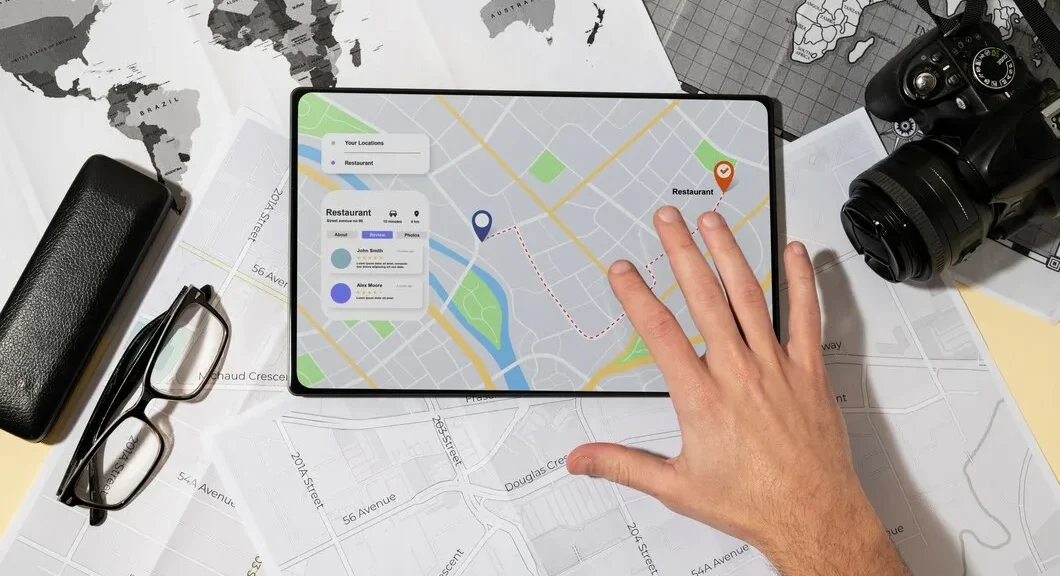

Connecting Your Business to Local Customers: The Power of Local SEO
In today’s hyper-connected world, the ‘near me’ search is king. Whether someone is craving pizza, searching for a reliable plumber, or looking for a boutique clothing store, their first instinct is often to pull out their phone and ask their search engine. For small and medium-sized businesses (SMBs), this presents a golden opportunity. If your business isn’t optimized to appear when these local searches happen, you’re effectively invisible to a significant portion of your potential customer base. This is where the strategic application of Local SEO becomes not just beneficial, but essential. At Code Digital Solutions, we understand the unique challenges and immense potential for SMBs. Our mission is to help startups and small businesses thrive online with expert web development, SEO, PPC, and digital marketing services. From responsive websites to results-driven campaigns, our team is committed to building your brand’s digital future. Leveraging Local SEO is a cornerstone of that mission, ensuring your business connects with the customers who are already looking for what you offer, right in your own backyard.
Think about it from a consumer’s perspective. When you need a service or product urgently, you want the closest, most reputable option. Search engines are designed to deliver exactly that. They prioritize businesses that are geographically relevant and have a strong local presence signals. Ignoring Local SEO means leaving valuable foot traffic and online engagement on the table, allowing competitors who *are* focusing on local search to capture those eager customers. It’s about more than just being found; it’s about being found by the *right* people at the *right* time, when they are most ready to convert.
Understanding the Local Search Ecosystem
Local SEO is a specialized branch of search engine optimization focused on increasing the visibility of businesses within local search results. This primarily impacts how your business appears on Google Maps, the local pack (those three business listings that often appear at the top of search results), and in location-specific organic listings. It’s a multifaceted approach that requires attention to various on-page, off-page, and technical SEO elements, all with a local focus.
The Importance of Google Business Profile (GBP)
Your Google Business Profile (formerly Google My Business) is arguably the most critical component of your Local SEO strategy. It’s your digital storefront on Google Search and Maps. A complete and optimized GBP listing acts as a powerful signal to search engines about your business’s legitimacy, location, and offerings.
- Accurate NAP Information: Ensure your Name, Address, and Phone number are consistent across your website, GBP, and all other online directories. Inconsistencies can confuse search engines and harm your rankings.
- Compelling Description: Craft a detailed and keyword-rich description of your business that highlights your unique selling propositions and services.
- High-Quality Photos and Videos: Showcase your business, products, and services with appealing visuals. This not only makes your listing more attractive but also signals to Google that your listing is active and engaging.
- Categories and Services: Select the most relevant primary and secondary categories for your business. Clearly list your services or products, using specific keywords customers might search for.
- Customer Reviews: Actively encourage satisfied customers to leave reviews. Respond to all reviews, both positive and negative, professionally and promptly. This demonstrates excellent customer service and builds trust.
- Posts and Updates: Utilize Google Business Profile Posts to share updates, offers, events, or new products. This keeps your listing fresh and provides valuable information to potential customers.
On-Page Optimization for Local Search
While GBP is paramount, your own website also plays a crucial role. On-page optimization for local search involves tailoring your website content and technical structure to signal your local relevance.
- Location-Specific Keywords: Integrate keywords that include your city, region, or neighborhood naturally into your website copy. For example, instead of just ‘digital marketing services’, use ‘digital marketing services in [Your City]’.
- Location Pages: If your business serves multiple distinct areas, consider creating dedicated landing pages for each location. These pages should be rich with local content, local testimonials, and relevant local keywords.
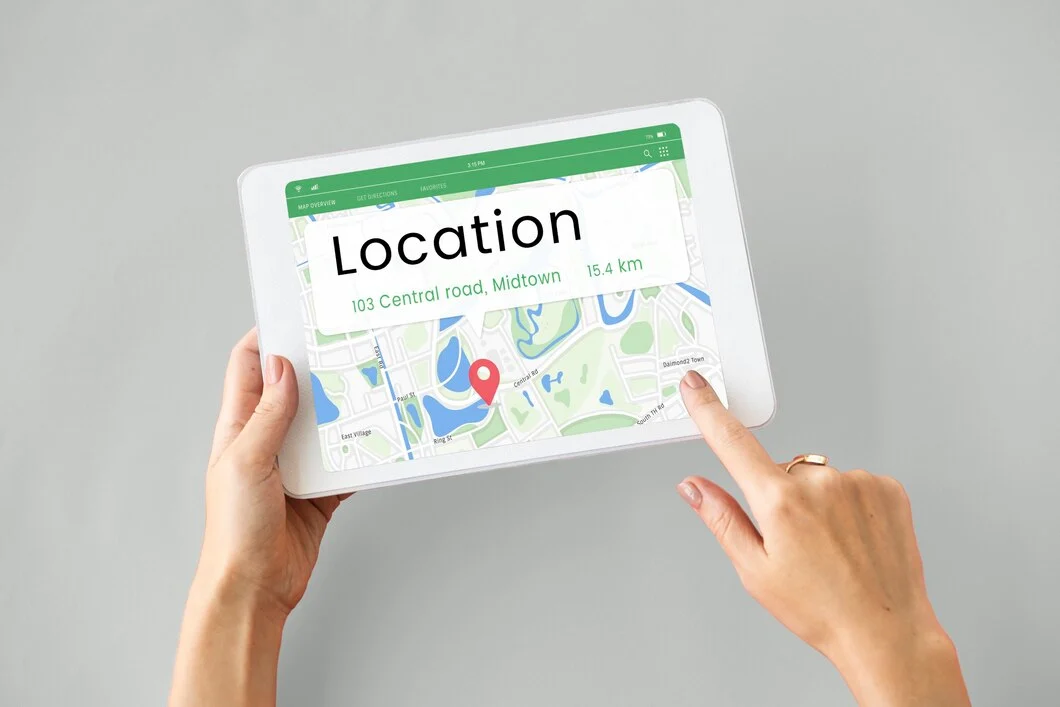
- Embedded Google Map: Include an embedded Google Map on your contact page or footer to visually confirm your location.
- Schema Markup: Implement local business schema markup on your website. This structured data helps search engines understand critical information about your business, such as your address, opening hours, and service area, in a way that is easily parseable.
- Contact Information Prominence: Ensure your NAP information is clearly visible on your website, ideally in the header or footer of every page.
Off-Page Signals for Local Authority
Off-page SEO for local businesses focuses on building authority and trust through external signals. These are often harder to control directly but are vital for ranking.
- Local Citations: Citations are online mentions of your business’s NAP information. Consistency across directories like Yelp, Yellow Pages, industry-specific directories, and local chambers of commerce is key. Tools exist to help manage and build these citations.
- Local Link Building: Earn backlinks from other reputable local businesses, community organizations, local news sites, or blogs. This demonstrates your integration into the local community.
- Online Reviews: As mentioned with GBP, reviews on third-party platforms are powerful off-page signals. Encourage reviews on sites relevant to your industry and location.
Strategies for Driving Local Traffic and Conversions
Optimizing for local search isn’t just about appearing in results; it’s about converting those views into actual customers. Here are actionable strategies:
Leveraging Customer Reviews
Reviews are a powerful social proof mechanism. A significant percentage of consumers read reviews before visiting a business. Encouraging and managing reviews effectively can directly impact your bottom line.
- Proactive Solicitation: Make it easy for happy customers to leave reviews. This could be via a QR code at your business, a link in post-purchase emails, or a simple verbal request at the point of sale.
- Respond Thoughtfully: For every review, a thoughtful response is crucial. Thank positive reviewers and address negative feedback constructively. This shows you value customer input and are committed to improvement.
- Monitor Review Platforms: Keep an eye on major review sites relevant to your niche and location, not just Google.
Local Content Marketing
Create content that resonates with your local audience. This can include blog posts about local events, guides to local attractions relevant to your business, or case studies featuring local clients.
- Community Involvement: Highlight your involvement in local events, sponsorships, or charitable activities. This builds goodwill and provides content opportunities.
- Local Expertise: Position your business as a local expert. For example, a landscaping company could write about the best plants for the local climate.
Mobile Optimization is Non-Negotiable
The vast majority of ‘near me’ searches happen on mobile devices. Your website *must* be mobile-friendly. This means fast loading times, responsive design, and easy-to-tap buttons and navigation.
- Page Speed: Optimize images and leverage browser caching to ensure your site loads quickly on mobile.
- User Experience: Ensure navigation is intuitive and key information (like phone numbers) is easily accessible and clickable on a mobile screen.
Local Paid Advertising
Complement your organic Local SEO efforts with targeted local paid advertising campaigns. Google Ads allows for highly specific geographic targeting, ensuring your ads are shown to people in your service area.
- Geofencing: Target users within a specific radius of your business or a competitor’s business.
- Local Extensions: Use ad extensions that display your location, phone number, and business hours directly in your ads.
Measuring Your Local SEO Success
To understand the impact of your efforts, you need to track key metrics. This allows you to refine your strategy and demonstrate ROI. At Code Digital Solutions, we focus on data-driven strategies to ensure our clients see tangible results.
- Rank Tracking: Monitor your rankings for local keyword searches in your target geographic areas.
- GBP Insights: Regularly review the performance data within your Google Business Profile, including how customers found you (direct vs. discovery searches), views, clicks, calls, and direction requests.
- Website Analytics: Use Google Analytics to track traffic sources, user behavior, and conversions originating from local searches. Look for increases in traffic from your target geographic areas.
- Conversions: Track actual business outcomes like phone calls, form submissions, appointment bookings, or in-store visits driven by your local search efforts.
When to Seek Expert Help
While many aspects of Local SEO can be tackled in-house, the landscape is constantly evolving. If you’re struggling to see results, finding the time, or keeping up with algorithm changes, partnering with a digital marketing agency specializing in SEO can be a game-changer. We help startups and small businesses thrive online with expert web development, SEO, PPC, and digital marketing services. From responsive websites to results-driven campaigns, our team is committed to building your brand’s digital future. A strategic partner can provide the expertise, tools, and manpower needed to implement a comprehensive and effective Local SEO strategy, ensuring your business stands out in local search results and attracts more valuable customers.
Frequently Asked Questions
How long does it take to see results from Local SEO efforts?
The timeline for seeing results can vary significantly based on factors like your industry, competition level, the current state of your online presence, and the consistency of your optimization efforts. Typically, you might start seeing initial improvements in rankings and visibility within 3-6 months. However, significant and sustained growth often requires ongoing effort and patience, with many businesses seeing the most substantial gains over 6-12 months or more.
Is Local SEO more important for some types of businesses than others?
Local SEO is crucial for any business that serves a specific geographic area and relies on local customers. This includes brick-and-mortar stores (restaurants, retail shops, salons), service-area businesses (plumbers, electricians, cleaning services, HVAC technicians), and even professional services (doctors, lawyers, accountants) that target clients within a particular city or region. Businesses with a national or international online-only customer base may not prioritize Local SEO as heavily, but even they can benefit from local search visibility within their own operational areas.
What is a ‘local pack’ in Google search results?
The ‘local pack’ is a prominent section in Google’s search results that typically displays a map with three local business listings. It appears when Google identifies a strong local intent behind a search query (e.g., ‘pizza near me’). Each listing in the local pack usually includes the business name, rating, hours, and a link to its Google Business Profile. Ranking well in the local pack is a primary goal of Local SEO, as it offers significant visibility to users actively searching for local products or services.
How can I improve my Local SEO if my business has multiple locations?
Managing Local SEO for multiple locations requires a systematic approach. Each location should have its own distinct Google Business Profile, ensuring accurate NAP information, unique descriptions, and relevant photos for each branch. You’ll also want to create dedicated location pages on your website for each branch, optimized with local keywords and relevant local content. Consistent NAP across all online directories and a strategy for managing reviews for each location are also vital. This allows search engines to clearly understand and serve each of your business locations to relevant local searchers.
What’s the difference between Local SEO and traditional SEO?
Traditional SEO focuses on improving a website’s ranking in organic search results for a broad range of keywords, aiming to attract a wider, often national or global, audience. Local SEO, on the other hand, is highly targeted. It aims to improve a business’s visibility specifically within local search results (like Google Maps and the local pack) for users searching within a defined geographic area. While many core SEO principles apply to both, Local SEO emphasizes geographic relevance, local citations, Google Business Profile optimization, and local customer reviews as key ranking factors.