Why Your Business Needs to Be Found Locally
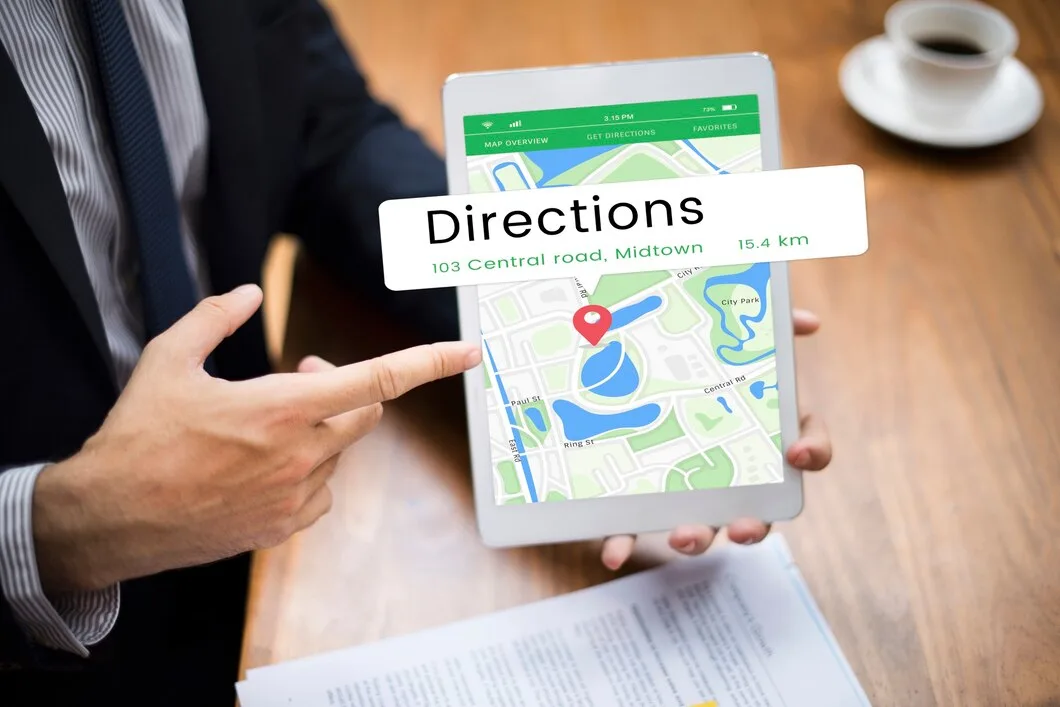
In today’s hyper-connected world, the customer journey often begins with a simple search. For small and medium-sized businesses (SMBs), especially those with a physical presence or serving a specific geographic area, ensuring you appear prominently in these local searches is not just beneficial – it’s essential. Customers looking for a ‘coffee shop near me,’ ‘plumber in [city],’ or ‘best Italian restaurant downtown’ are typically ready to make a decision. If your business isn’t visible in those crucial moments, you’re leaving valuable opportunities on the table. This is where the power of Local SEO comes into play. It’s about optimizing your online presence to attract more business from relevant local searches and improving your visibility on local search engines, map products, and directories.
At Code Digital Solutions, we understand the unique challenges and immense potential for startups and small businesses. Our mission is to help you thrive online with expert web development, SEO, PPC, and digital marketing services. We believe that a strong local online presence is a foundational element for building your brand’s digital future, leading to tangible business growth. This guide will delve into practical, actionable strategies to enhance your local search rankings and connect with the customers who matter most – the ones right in your backyard.
Understanding the Local Search Landscape
Local search isn’t just about appearing on Google Maps. It encompasses a variety of platforms and search behaviors. When someone searches for a local service or product, search engines aim to provide the most relevant and geographically close results. This often includes:
- Local Pack/Map Pack: The prominent section on Google search results pages displaying 3-4 local businesses with their address, phone number, website, reviews, and hours.
- Local Organic Listings: Standard search results that are still geographically relevant.
- Google Business Profile (GBP) Features: Posts, Q&A, photos, and services within the GBP listing itself.
- Local Directories and Review Sites: Platforms like Yelp, TripAdvisor, and industry-specific directories.
For SMBs, the goal is to optimize across these areas to capture potential customers at various stages of their decision-making process. This involves more than just having a website; it requires a strategic approach to how your business is represented online to local searchers.
Building a Strong Foundation: Google Business Profile
Your Google Business Profile (GBP), formerly Google My Business, is arguably the most critical component of your local SEO strategy. It’s your digital storefront on Google Search and Maps, and it’s free to set up and manage.
Claiming and Verifying Your Listing
The first step is to claim your business listing. If it already exists, you’ll need to verify ownership. This is typically done via postcard to your business address, phone call, or email. A verified listing signals to Google that your business is legitimate and located where you say it is.
Optimizing Your GBP Listing
Once verified, thorough optimization is key:
- Accurate NAP Information: Ensure your Name, Address, and Phone number (NAP) are consistent across your website and all online directories. Inconsistencies can confuse search engines and users.
- Comprehensive Business Description: Write a compelling, keyword-rich description that accurately reflects your services and unique selling propositions. Think about what potential customers are searching for.
- Choose the Right Categories: Select primary and secondary categories that best describe your business. This helps Google understand what you do and show you for relevant searches.
- Upload High-Quality Photos and Videos: Showcase your products, services, team, and business environment. Visually appealing content can significantly increase engagement.
- Utilize Business Hours: Keep your hours updated, especially for holidays, to prevent customer frustration.
- Add Services/Products: Detail the specific offerings your business provides, including pricing where appropriate.
Leveraging GBP Features
Don’t let your GBP listing be static. Regularly engage with its features:
- Google Posts: Share updates, offers, events, or new products/services directly on your profile. This keeps your listing fresh and provides valuable information.
- Q&A Section: Proactively answer common questions potential customers might have. You can even ask and answer your own questions to highlight key information.
- Reviews: Encourage customers to leave reviews and respond to them promptly and professionally, both positive and negative. This builds trust and shows you care.
Website Optimization for Local Search
While GBP is crucial, your website remains the hub of your online presence. It needs to be optimized to signal your local relevance to search engines.
On-Page Local Signals
Incorporate local keywords naturally throughout your website content:
- Location Pages: If you have multiple locations, create dedicated pages for each. Include specific local content, address, phone number, map, hours, and local testimonials.
- Homepage and About Us: Mention your primary service area, city, and region in your website copy.
- Schema Markup: Implement local business schema markup on your website. This structured data helps search engines understand your business type, address, opening hours, and other critical details, improving your chances of appearing in rich snippets.
- Embedded Google Map: Include an embedded Google Map showing your business location on your contact page.
Mobile-Friendliness and Page Speed
A significant portion of local searches occur on mobile devices. Your website must be responsive, meaning it adapts seamlessly to any screen size. Slow loading times can deter users and negatively impact your search rankings. Optimize images, leverage browser caching, and ensure efficient code to keep your site performing well.
Building Local Authority and Trust: Citations and Reviews
Beyond your own website and GBP, your business’s presence across other online platforms contributes to its local authority.
Local Citations
A citation is any online mention of your business’s NAP information. Consistent and accurate citations across reputable directories (Yelp, Yellow Pages, industry-specific sites) are vital. Prioritize quality over quantity – ensure listings are accurate and on trusted platforms.
- Audit Existing Citations: Identify and correct any outdated or inconsistent information.
- Build New Citations: Strategically submit your business to relevant and authoritative local and industry directories.
Online Reviews
Reviews are a powerful trust signal for both customers and search engines. Positive reviews can influence purchasing decisions and improve your visibility in local search results.
- Encourage Reviews: Make it easy for satisfied customers to leave reviews. Consider simple calls to action on receipts, email signatures, or thank-you pages.
- Respond to All Reviews: Acknowledge positive feedback and address negative reviews constructively. This shows you value customer input and are committed to service recovery.
- Monitor Review Platforms: Keep an eye on your reputation across Google, Yelp, Facebook, and other relevant sites.
Content Marketing for Local Reach
Content is king, even in local SEO. Creating relevant, valuable content can attract local customers and position your business as an expert.
Local Blog Content
Write blog posts that are relevant to your local community and your services:
- Local Event Spotlights: Cover community events your business is involved in or that are popular locally.
- Neighborhood Guides: Create guides to local attractions, businesses, or activities, naturally weaving in how your business fits into the local landscape.
- Problem/Solution Posts: Address common local issues that your business can solve (e.g., ‘Best ways to prepare your garden for [local climate] spring’).
- Customer Success Stories: Highlight how you’ve helped local clients.
Local Keywords in Content
Research and integrate keywords that people in your service area are actually searching for. This includes location modifiers (e.g., ‘[service] in [neighborhood]’, ‘[product] near [landmark]’).
Advanced Local SEO Tactics
Once you have the fundamentals in place, consider these advanced strategies:
Local Link Building
Earn backlinks from other local, relevant websites. This could include local chambers of commerce, community organizations, local news sites, or complementary local businesses. Partnering with local influencers or sponsoring local events can also lead to valuable link opportunities.
Social Media Engagement
While not a direct ranking factor, active social media profiles can drive local traffic and engagement. Share local content, run geo-targeted ads, and interact with your local followers. Platforms like Facebook and Instagram can be powerful tools for connecting with nearby customers.
Geo-Targeted PPC Campaigns
For businesses that use paid advertising, setting up geo-targeted Pay-Per-Click (PPC) campaigns ensures your ads are shown only to users within your specific service area. This maximizes your ad spend and reaches potential customers who are most likely to convert.
Measuring Your Local SEO Success
To understand what’s working, you need to track your progress. Key metrics include:
- Google Business Profile Insights: Track views, clicks, calls, direction requests, and search queries that triggered your listing.
- Website Analytics: Monitor organic traffic, especially from local searches, bounce rates on location pages, and conversion rates.
- Rank Tracking: Use tools to monitor your rankings for local keywords in your target area.
- Customer Feedback: Directly ask customers how they found you.
By consistently applying these Local SEO strategies and monitoring your results, your business can significantly enhance its online visibility, attract more local customers, and achieve sustainable growth. At Code Digital Solutions, we’re dedicated to providing the expert web development, SEO, PPC, and digital marketing services that help startups and small businesses like yours build a robust digital future. Let us help you connect with the customers right in your community.
Frequently Asked Questions
How long does it take to see results from Local SEO?
Local SEO is a marathon, not a sprint. While some initial improvements might be visible within a few weeks, especially if you’re optimizing a neglected Google Business Profile, significant ranking improvements and increased local traffic typically take 3-6 months of consistent effort. Factors like competition in your area, the age of your business, and the comprehensiveness of your optimization efforts all play a role.
Is Local SEO necessary for businesses that don’t have a physical storefront?
Yes, if your business serves a specific geographic area (e.g., a plumber, a lawyer, a delivery service), Local SEO is crucial. Even without a storefront, you have a service area, and customers searching for your services in that area need to find you. Optimizing for Local SEO helps you rank for location-based searches relevant to your service radius.
What’s the difference between Local SEO and regular SEO?
Regular SEO aims to rank a website for broader, non-geographical keywords to attract a national or international audience. Local SEO, on the other hand, focuses on optimizing a business’s online presence to attract customers from its immediate geographic vicinity. It heavily relies on factors like Google Business Profile optimization, local citations, and geo-specific keywords, in addition to traditional on-page and off-page SEO elements.
Can I do Local SEO myself, or do I need an agency?
You can certainly start with Local SEO yourself, especially by optimizing your Google Business Profile and ensuring NAP consistency. Many resources are available to guide you. However, for sustained, significant growth and to leverage advanced strategies, an experienced agency like Code Digital Solutions can offer expertise, save you time, and ensure a more comprehensive and effective approach. We help startups and small businesses thrive online with our expert digital marketing services.
How important are online reviews for Local SEO?
Online reviews are extremely important for Local SEO. They serve as a powerful social proof signal that influences both potential customers and search engines. Google considers reviews (quantity, quality, and recency) as a key ranking factor for its Local Pack and local organic results. Positive reviews build trust, encourage clicks, and can directly lead to more customers.