Why Your Small Business Needs to Be Found Locally
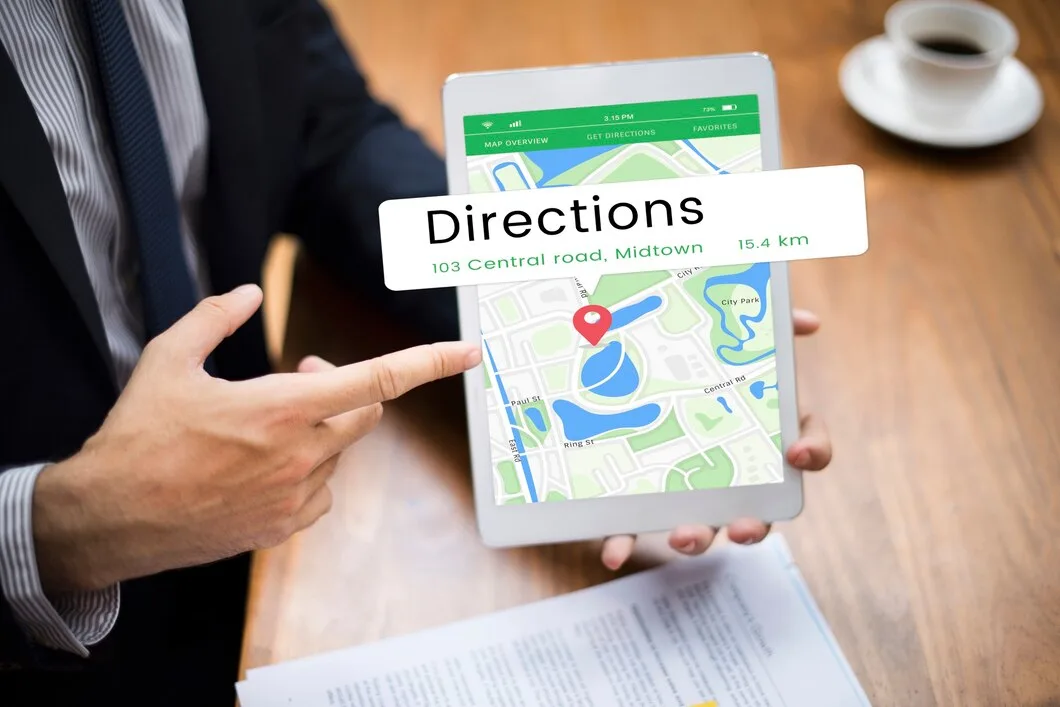
In today’s hyper-connected world, the first place customers look for products or services is often their smartphone. For small and medium-sized businesses (SMBs), this means that appearing prominently in local search results isn’t just an advantage – it’s a necessity for survival and growth. Imagine a potential customer in your neighborhood searching for ‘best coffee shop near me’ or ‘plumber in [your town]’. If your business doesn’t show up on the first page of Google, or even the local map pack, you’re likely missing out on valuable leads and sales. This is where the power of Local SEO comes into play. At Code Digital Solutions, we understand the unique challenges SMBs face. Our mission is to help startups and small businesses thrive online with expert web development, SEO, PPC, and digital marketing services. From responsive websites to results-driven campaigns, our team is committed to building your brand’s digital future, and mastering local search is a critical piece of that puzzle.
Local SEO is a specialized branch of search engine optimization focused on increasing a business’s visibility in local search results. Unlike broader SEO efforts, which aim for global or national reach, local SEO targets customers within a specific geographic area. This is particularly crucial for brick-and-mortar businesses, service-area businesses, and any company that relies on attracting foot traffic or local clientele. A robust local SEO strategy ensures that when someone in your vicinity searches for what you offer, your business is the one they find, click on, and ultimately patronize. It’s about putting your business right in front of the people who are most likely to become your customers.
The Pillars of Effective Local SEO
Building a strong local search presence involves a multi-faceted approach. It’s not just about having a website; it’s about optimizing various online signals to tell search engines like Google precisely who you are, what you do, and where you do it. Here are the core components that form the foundation of any successful local SEO strategy:
1. Google Business Profile Optimization (GBP)
Your Google Business Profile (formerly Google My Business) is arguably the most critical element of local SEO. It’s the rich snippet that appears in Google’s local pack and on Google Maps. If it’s not optimized, you’re essentially leaving your most valuable local real estate vacant.
- Claim and Verify: Ensure you have claimed and verified your listing. This confirms to Google that your business is legitimate and located at the address provided.
- Complete All Sections: Fill out every possible field. This includes accurate business name, address, phone number (NAP), website, hours of operation, services, products, and attributes (like Wi-Fi availability, wheelchair accessibility, etc.).
- Compelling Description: Craft a keyword-rich, engaging description that highlights your unique selling propositions and clearly states what you offer.
- High-Quality Photos and Videos: Regularly upload appealing photos of your business (interior, exterior, team, products) and short videos. Visuals significantly increase engagement.
- Customer Reviews: Encourage satisfied customers to leave reviews. Respond to all reviews, positive and negative, professionally and promptly. This shows engagement and builds trust.
- Posts and Q&A: Utilize Google Business Profile posts to share updates, offers, events, and new products. Actively monitor and answer questions submitted through the Q&A feature.
2. On-Page SEO for Local Search
Your website is your digital storefront. Local SEO principles should be woven into its structure and content to signal your geographical relevance to search engines.
- NAP Consistency: Ensure your Name, Address, and Phone number are consistent across your website (especially in the footer and contact page) and all other online directories.
- Location-Specific Keywords: Integrate keywords that include your city, neighborhood, or region naturally within your website’s content. For example, instead of just ‘web design’, use ‘web design company in Seattle’.
- Location Pages: If you serve multiple distinct areas, create dedicated location pages for each. These pages should offer specific information relevant to that area, including local testimonials and case studies.
- Schema Markup: Implement local business schema markup on your website. This structured data helps search engines understand key information about your business, such as your address, opening hours, and services, in a way that’s easily machine-readable.
- Mobile-Friendliness: A significant portion of local searches happen on mobile devices. Your website must be responsive and provide an excellent user experience on all screen sizes.
3. Local Citations and Directory Listings
Citations are online mentions of your business’s NAP information. Consistent and accurate citations across reputable online directories signal trustworthiness and relevance to search engines.
- Major Directories: Ensure your business is listed on key directories like Yelp, Yellow Pages, Bing Places, and industry-specific platforms.
- Consistency is Key: As with your website, NAP consistency across all directories is paramount. Even small variations can confuse search engines.
- Quality Over Quantity: Focus on reputable, relevant directories. A few high-quality listings are better than many obscure or inaccurate ones.
- Data Aggregators: Understand how data aggregators (like Foursquare, Localeze, Infogroup) distribute your business information. Ensuring accuracy here helps populate many other directories.
4. Online Reviews and Reputation Management
Reviews are a powerful trust signal for both potential customers and search engines. Positive reviews can significantly influence purchasing decisions.
- Encourage Reviews: Make it easy for customers to leave reviews on platforms like Google, Yelp, and Facebook. Include links on your website, in email signatures, or via QR codes.
- Monitor and Respond: Regularly check for new reviews across all relevant platforms. Respond thoughtfully and professionally to all feedback. Thank customers for positive reviews and address concerns constructively in negative ones.
- Showcase Testimonials: Feature positive customer testimonials prominently on your website.
5. Local Link Building
Earning backlinks from other local and relevant websites is a strong indicator of authority and community involvement.
- Local Partnerships: Collaborate with complementary local businesses for cross-promotional activities that could result in links.
- Community Involvement: Sponsor local events, charities, or sports teams. Often, these organizations will link back to your website as a sponsor.
- Local Chambers of Commerce and Business Associations: Join these organizations, as they often have member directories that include website links.
- Local News Outlets: If you have a newsworthy event or achievement, pitch it to local journalists, which could result in a mention and a link.
Beyond the Basics: Advanced Local SEO Tactics
Once you have a solid foundation, consider these strategies to further enhance your local SEO performance:
Leveraging Social Media for Local Reach
While not a direct ranking factor, social media plays a crucial role in amplifying your local presence. Consistent posting, engagement with local followers, and running targeted ads can drive local traffic to your website and physical location. Share local news, community events, and customer spotlights to build local brand affinity.
Geotagging Your Content
When creating content, especially images or blog posts about local events or projects, consider geotagging them with your business’s location. This can help search engines associate your content with that specific area.
Local Content Marketing
Create blog posts, guides, or resources that are highly relevant to your local community. This could include guides to local attractions, reviews of local events, or interviews with local business owners. This type of content attracts local searchers and positions you as a community expert.
Understanding Local Search Intent
Local search intent often combines a need for a product or service with a desire for proximity. Your content and GBP should clearly articulate not just what you offer, but also *where* you offer it and why you’re the best choice for local customers. Emphasize your local roots, community involvement, and understanding of local needs.
Common Local SEO Pitfalls for SMBs (and How to Avoid Them)
Many small businesses stumble when implementing local SEO. Awareness of these common errors can save you time and resources:
- NAP Inconsistency: This is the most damaging mistake. Ensure your Name, Address, and Phone number are *identical* across all online platforms. Even slight variations (e.g., ‘St.’ vs. ‘Street’) can hurt your rankings.
- Ignoring Google Business Profile: Many businesses claim their listing but never optimize it. It’s a goldmine of local search traffic, so treat it with the importance it deserves.
- Not Encouraging Reviews: Relying solely on word-of-mouth is limiting. Proactively asking for and managing reviews is crucial for building trust and improving local visibility.
- Ignoring Mobile Users: Assuming all local searches are done from a desktop is a grave error. Your website *must* be mobile-friendly and load quickly on mobile devices.
- Outdated Information: Failing to update hours of operation (especially for holidays), services, or contact details can lead to customer frustration and missed opportunities.
The Long-Term Value of Local SEO
Investing in local SEO is not a one-time fix; it’s an ongoing strategy that yields compounding returns. As your online reputation grows, your local rankings solidify, and your visibility increases, you’ll attract a steady stream of qualified local customers. This leads to increased foot traffic, more phone calls, higher conversion rates, and ultimately, sustainable business growth. At Code Digital Solutions, we are dedicated to partnering with businesses like yours to navigate the complexities of digital marketing. From crafting a stellar website to implementing data-driven SEO strategies like local SEO, we aim to be your trusted ally in building a thriving online presence. Let us help you connect with the customers right in your backyard and secure your digital future.
Frequently Asked Questions
How quickly can I expect to see results from Local SEO?
The timeline for seeing results can vary depending on factors like your industry, competition, and the current state of your online presence. Generally, you might start noticing initial improvements within a few weeks to a couple of months. Significant, sustained growth often takes 3-6 months or longer, as local SEO is an ongoing process that builds momentum over time. Consistency in optimization and a focus on quality signals are key.
Do I need a separate website for Local SEO?
Not necessarily. A well-optimized main website is sufficient. However, if your business serves distinct geographical areas or offers highly specialized services in different locations, creating dedicated ‘location pages’ on your existing website can be highly effective. These pages allow you to tailor content and keywords to specific local audiences, reinforcing your relevance to search engines for those areas.
Is it worth paying for local SEO services?
For most small and medium-sized businesses, the return on investment (ROI) for professional local SEO services is significant. Experts can save you time, leverage advanced strategies, and avoid costly mistakes. The increased visibility, qualified leads, and customer acquisition that effective local SEO brings often far outweigh the cost of the services, especially when partnering with a team like Code Digital Solutions committed to your growth.
How do I measure the success of my Local SEO efforts?
Success can be measured through several key metrics. These include improvements in local search rankings for target keywords, increased website traffic from local search (trackable in Google Analytics by geographic location), higher click-through rates from Google Business Profile, an increase in phone calls and form submissions originating from local searches, and a growth in customer reviews. Monitoring your Google Business Profile insights is also crucial for understanding how customers are finding and interacting with your listing.
What is the difference between Local SEO and traditional SEO?
The primary difference lies in their objective and target audience. Traditional SEO aims to rank for broad keywords that attract a national or global audience. Local SEO, conversely, focuses on attracting customers within a specific geographic radius. It heavily relies on factors like proximity, Google Business Profile optimization, local citations, and local customer reviews, which are less critical for traditional SEO focused on broader reach.
Can I do Local SEO myself, or do I need an expert?
You can certainly start implementing basic Local SEO tactics yourself, such as optimizing your Google Business Profile and ensuring NAP consistency. However, mastering local SEO requires in-depth knowledge of evolving search engine algorithms, competitive analysis, advanced schema markup, and local link-building strategies. For comprehensive and consistently effective results, partnering with experienced professionals like those at Code Digital Solutions is highly recommended to ensure you’re leveraging all available opportunities and staying ahead of the competition.