
Navigating the Digital Landscape: Why Search Engine Optimization Matters for SMBs
In today’s crowded online marketplace, simply having a website is no longer enough. For small and medium-sized businesses (SMBs), standing out requires a strategic approach to being found by potential customers. This is where the power of Search Engine Optimization (SEO) comes into play. At Code Digital Solutions, we understand the unique challenges and opportunities that SMBs face. Our mission is to help startups and small businesses thrive online with expert web development, SEO, PPC, and digital marketing services. We believe that from responsive websites to results-driven campaigns, our team is committed to building your brand’s digital future. This article will demystify SEO for SMBs, outlining actionable steps to enhance your online visibility and drive meaningful traffic to your business.
Think of search engines like Google, Bing, or DuckDuckGo as digital storefronts. If your business isn’t listed prominently when someone searches for products or services you offer, you’re essentially invisible to a vast pool of potential customers. Effective SEO is the process of optimizing your online presence to rank higher in these search engine results pages (SERPs). This doesn’t just mean more clicks; it means attracting the *right* kind of traffic – individuals actively looking for what you provide. For SMBs, this translates directly into leads, sales, and sustainable growth.
The Core Pillars of Effective SEO for Small Businesses
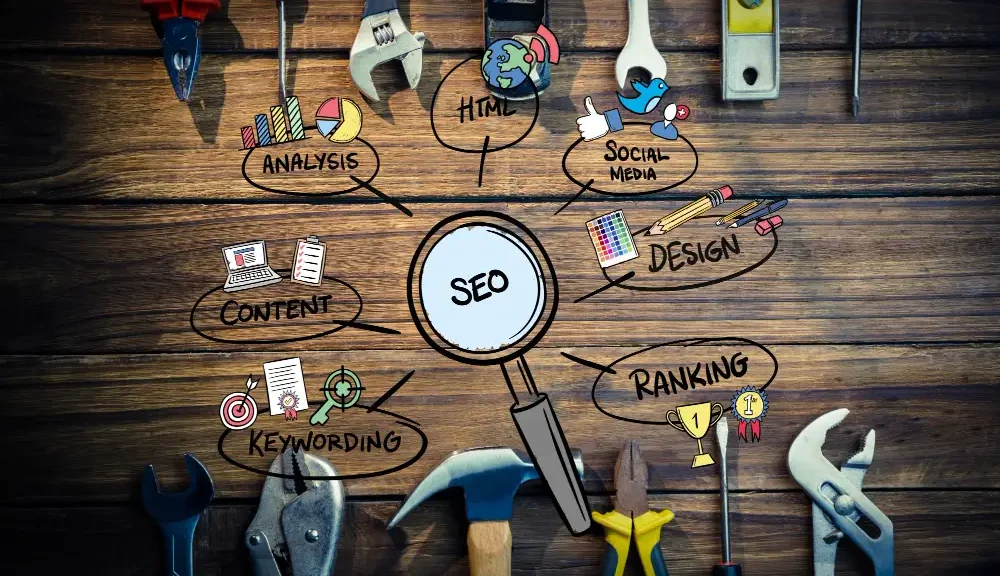
SEO isn’t a single tactic; it’s a multifaceted strategy. To achieve lasting success, SMBs need to focus on several key areas. We’ll break down these pillars into practical, manageable steps.
1. Understanding Your Audience & Keyword Research
The foundation of any successful SEO strategy is a deep understanding of your target audience and the language they use to search for your offerings. This involves meticulous keyword research.
- Identify Your Ideal Customer: Who are you trying to reach? What are their pain points? What solutions are they seeking?
- Brainstorm Seed Keywords: Start with broad terms related to your business (e.g., ‘local bakery,’ ‘plumbing services,’ ‘graphic design for startups’).
- Utilize Keyword Research Tools: Tools like Google Keyword Planner, Ahrefs, SEMrush, or Moz Keyword Explorer can reveal search volumes, competition levels, and related keywords. Look for terms with sufficient search volume that aren’t overly competitive for your niche.
- Focus on Long-Tail Keywords: These are longer, more specific phrases (e.g., ‘organic sourdough bread delivery Brooklyn,’ ’emergency plumber for leaky faucet NYC’). They often have lower search volume but attract highly motivated buyers and are easier to rank for.
- Analyze Competitors: See what keywords your successful competitors are ranking for. This can provide valuable insights into opportunities you might have missed.
For example, a small accounting firm in Austin might initially target ‘accountant Austin.’ Through keyword research, they might discover that ‘small business tax preparation Austin’ or ‘startup accounting services Austin’ are more specific, less competitive, and attract clients specifically seeking their expertise. This targeted approach ensures your SEO efforts resonate with genuinely interested prospects.
2. On-Page Optimization: Making Your Website Search-Engine Friendly
Once you know what terms your audience is searching for, you need to ensure your website clearly communicates to search engines what you offer. This is done through on-page optimization.
- Title Tags and Meta Descriptions: These are the first things users see in search results. They should be compelling, accurately describe the page content, and include your primary target keywords naturally. For instance, a page about ‘custom website design for startups’ should have a title tag like ‘Custom Website Design for Startups | Code Digital Solutions’ and a meta description highlighting benefits like ‘Boost your startup’s online presence with bespoke, responsive website design. Get a free consultation from Code Digital Solutions.’
- Header Tags (H1, H2, H3, etc.): Use header tags to structure your content logically. Your main topic should be in an H1 (use only one per page), with subtopics in H2s and H3s. Incorporate keywords where relevant and natural.
- Content Quality and Relevance: Create high-quality, informative, and engaging content that directly addresses user search intent. Aim for comprehensive content that answers questions thoroughly. Regularly update your content to keep it fresh and relevant.
- Keyword Integration: Sprinkle your target keywords and related terms naturally throughout your content. Avoid keyword stuffing, which can harm your rankings. Focus on readability and user experience first.
- Image Optimization: Use descriptive alt text for all images, incorporating keywords where appropriate. This helps search engines understand the image content and improves accessibility. Compress images for faster loading times.
- Internal Linking: Link relevant pages within your website to each other. This helps users navigate your site, distributes link equity, and signals to search engines the relationship between different pieces of content.
- URL Structure: Keep your URLs short, descriptive, and keyword-rich (e.g., `yourdomain.com/services/web-design` rather than `yourdomain.com/page?id=123`).
3. Technical SEO: The Backbone of Your Online Presence
Technical SEO ensures that search engines can effectively crawl, index, and understand your website. For SMBs, neglecting this aspect can create significant barriers to visibility.
- Website Speed: Slow-loading websites frustrate users and negatively impact rankings. Optimize images, leverage browser caching, and minify CSS/JavaScript to improve speed. Tools like Google PageSpeed Insights can help identify issues.
- Mobile-Friendliness: With the majority of searches happening on mobile devices, a responsive, mobile-first design is non-negotiable. Google uses mobile-first indexing, meaning it primarily uses the mobile version of your content for ranking.
- Site Architecture: A logical and intuitive site structure makes it easy for users and search engines to find information. Aim for a shallow depth, where key pages can be reached within a few clicks from the homepage.
- HTTPS Security: Ensure your website uses HTTPS. It’s a ranking signal and essential for building user trust.
- XML Sitemap: Submit an XML sitemap to search engines (like Google Search Console). This helps them discover and index all your important pages.
- Robots.txt: Use this file to tell search engine crawlers which pages or sections of your site they should not crawl.
- Structured Data (Schema Markup): This code helps search engines understand the context of your content, potentially leading to rich snippets in search results (e.g., star ratings, event information).
4. Off-Page Optimization: Building Authority and Trust
Off-page SEO refers to activities taken outside of your website to improve its ranking. The most significant component is building backlinks.
- Link Building: Earn high-quality backlinks from reputable and relevant websites. This signals to search engines that your site is trustworthy and authoritative. Focus on quality over quantity. Strategies include guest blogging, creating shareable content (infographics, original research), and reaching out to industry influencers.
- Local SEO (Crucial for SMBs): Optimize your presence for local searches.
- Google Business Profile (GBP): Claim and fully optimize your GBP listing. Ensure accurate NAP (Name, Address, Phone Number) information, add photos, respond to reviews, and post regular updates.
- Local Citations: Ensure your business is listed consistently in online directories (Yelp, Yellow Pages, industry-specific directories).
- Local Keywords: Target keywords that include your city or region (e.g., ‘best coffee shop downtown Seattle’).
- Online Reviews: Encourage satisfied customers to leave reviews on Google, Yelp, and other relevant platforms. Positive reviews build trust and influence local rankings.
- Social Signals: While not a direct ranking factor, social media activity can increase brand visibility, drive traffic, and lead to natural link building opportunities.
- Brand Mentions: Monitor brand mentions online. Even unlinked mentions can contribute to your brand’s authority.
5. Content Marketing: Fueling Your SEO Engine
Content is the currency of the internet. A robust content marketing strategy is essential for attracting and engaging your target audience, and it directly fuels your SEO efforts.
- Blogging: Regularly publish blog posts that address your audience’s questions and pain points. This is a prime opportunity to target long-tail keywords and establish thought leadership.
- Diverse Content Formats: Explore videos, infographics, podcasts, case studies, and white papers to cater to different audience preferences and capture a wider reach.
- Content Promotion: Don’t just create content; promote it! Share it on social media, via email newsletters, and through outreach to relevant communities or publications.
- Pillar Pages and Topic Clusters: Organize your content around core topics (pillar pages) linked to related, more specific content (cluster pages). This structure improves site navigation and demonstrates topical authority to search engines.
Imagine a local IT support company that creates blog posts like ‘5 Common Cybersecurity Threats for Small Businesses in Houston,’ ‘Choosing the Right Cloud Storage Solution for Your Startup,’ and ‘Why Managed IT Services Save Businesses Money.’ These articles attract businesses searching for solutions, establish the company as knowledgeable, and can naturally lead to service inquiries. This holistic approach, integrating expert web development with results-driven campaigns, is what Code Digital Solutions excels at, ensuring your brand’s digital future is built on a strong foundation.
Measuring Success: Tracking Your SEO Performance
SEO is an ongoing process, and measuring your efforts is crucial to understanding what’s working and where to adjust. Key metrics to track include:
- Organic Traffic: The number of visitors who find your site through unpaid search engine results.
- Keyword Rankings: Monitor your position in SERPs for your target keywords.
- Bounce Rate: The percentage of visitors who leave your site after viewing only one page. A high bounce rate might indicate that your content isn’t meeting user expectations or that the user experience is poor.
- Conversion Rate: The percentage of visitors who complete a desired action (e.g., fill out a contact form, make a purchase).
- Backlink Profile: Track the number and quality of backlinks pointing to your site.
Tools like Google Analytics and Google Search Console are invaluable for tracking these metrics. Regularly reviewing your performance allows you to refine your strategy, double down on successful tactics, and identify areas for improvement.
The Long-Term Value of SEO for SMBs
Investing in Search Engine Optimization is not a short-term fix; it’s a strategic investment in the long-term growth and sustainability of your business. Unlike paid advertising, which stops delivering traffic the moment you stop paying, organic traffic generated through SEO is a continuous asset. As your website authority grows and you consistently provide value to users, your rankings tend to improve and stabilize. This creates a predictable and often cost-effective stream of qualified leads, building a robust digital presence that supports your business objectives for years to come.
Frequently Asked Questions
1. How long does it take to see results from SEO for my small business?
SEO is a marathon, not a sprint. For most SMBs, it can take anywhere from 3 to 12 months to see significant, measurable results. This timeframe depends on several factors, including the competitiveness of your industry, the current state of your website, your SEO budget, and the effectiveness of your strategy. Initial improvements might be visible in keyword rankings within a few months, but substantial increases in organic traffic and leads typically require sustained effort over a longer period. Consistent content creation, link building, and technical updates are key to long-term success.
2. Is SEO expensive for a small business? How can we manage costs?
The cost of SEO can vary greatly. You can invest in DIY SEO tools and educational resources, which are relatively inexpensive but require a significant time commitment. Alternatively, you can hire an SEO agency or freelancer. While agency fees can range from a few hundred to several thousand dollars per month depending on the scope of work, the ROI can be substantial. To manage costs, focus on foundational elements first, such as on-page optimization and local SEO. Prioritize keyword research to ensure you’re targeting the most valuable terms. Many agencies, like Code Digital Solutions, offer tailored packages for SMBs, ensuring you get the most impact for your budget.
3. What’s the difference between SEO and PPC (Pay-Per-Click) advertising?
SEO focuses on earning organic ( unpaid) visibility in search engine results pages over time. It involves optimizing your website and content to rank naturally. PPC advertising, on the other hand, involves paying search engines to display your ads at the top of the SERPs for specific keywords. PPC can deliver immediate traffic and results, making it excellent for quick campaigns or testing offers. However, traffic stops as soon as you stop paying. SEO provides sustainable, long-term traffic and builds brand authority, but requires patience. Many businesses find success by integrating both SEO and PPC strategies.
4. How important is local SEO for a brick-and-mortar small business?
Local SEO is absolutely critical for brick-and-mortar businesses and any SMB serving a specific geographic area. When customers search for local products or services (e.g., ‘best pizza near me,’ ‘dentist in Chicago’), search engines prioritize local results. Optimizing your Google Business Profile, ensuring consistent NAP information across directories, and gathering local reviews are fundamental steps to appearing in these local search results and the Google Maps pack. Neglecting local SEO means missing out on a significant portion of customers actively seeking your services in your immediate vicinity.
5. Should my business focus on ranking for very broad keywords or more specific long-tail keywords?
For most SMBs, focusing on specific long-tail keywords is a more effective and achievable strategy, especially when starting out. Broad keywords (e.g., ‘shoes’) are highly competitive and attract a wide, often irrelevant audience. Long-tail keywords (e.g., ‘waterproof trail running shoes for women size 8’) are more specific, indicating a clearer user intent. While they have lower search volumes individually, they are generally less competitive, attract highly qualified leads who are closer to making a purchase decision, and collectively can drive significant, targeted traffic to your website. As your website authority grows, you can then aim for broader terms.