
Why Your Small Business Needs a Sharper Online Presence
In today’s digital-first world, a strong online presence isn’t just a ‘nice-to-have’ for small and medium-sized businesses; it’s a fundamental necessity for survival and growth. Potential customers are no longer flipping through the Yellow Pages; they’re typing their needs into Google, Bing, and other search engines. If your business isn’t appearing in those search results, you’re effectively invisible to a significant portion of your target audience. This is where the strategic discipline of Search Engine Optimization, often shortened to SEO, comes into play. It’s the process of improving your website to increase its visibility when people search for products or services related to your business in Google and other search engines. Code Digital Solutions understands that for startups and small businesses, navigating the complexities of the digital landscape can feel overwhelming. That’s why our mission is clear: We help startups and small businesses thrive online with expert web development, SEO, PPC, and digital marketing services. From responsive websites to results-driven campaigns, our team is committed to building your brand’s digital future.
Think of search engines as the modern-day gatekeepers to your potential customer base. When someone searches for ‘plumber near me’ or ‘best local bakery,’ they’re looking for immediate solutions. Your goal with SEO is to ensure your business is one of the first, most relevant answers they find. This isn’t about tricking search engines; it’s about making your website as valuable and accessible as possible to both users and the search engine algorithms that index it. For small businesses, this means leveling the playing field against larger competitors who might have bigger marketing budgets but lack the agility and local focus that you can offer.
Understanding the Core Pillars of Search Engine Optimization
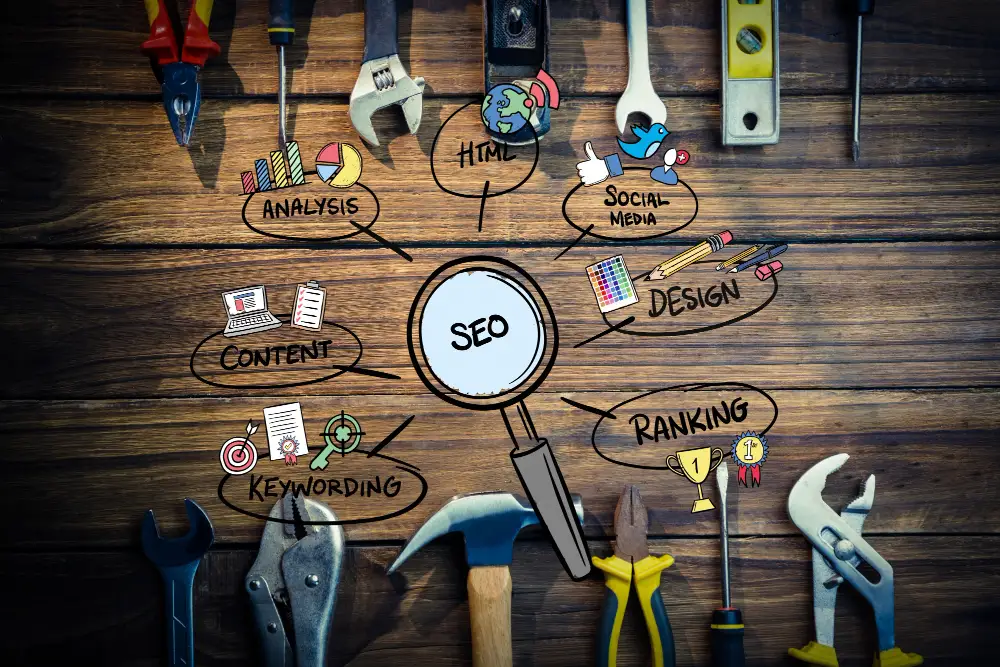
Effective SEO can be broken down into several key components, each working in concert to improve your search engine rankings and drive qualified traffic to your website.
1. Keyword Research: The Foundation of Visibility
Everything starts with understanding what your potential customers are searching for. Keyword research is the process of identifying terms and phrases people use when looking for products or services like yours. This goes beyond simply guessing. Tools exist to analyze search volume (how many people search for a term), competition (how hard it is to rank for that term), and user intent (what the searcher is actually trying to achieve).
- Identify Your Niche: Focus on keywords specific to your offerings and local area (e.g., ‘organic coffee shop downtown Seattle’ rather than just ‘coffee’).
- Long-Tail Keywords: These are longer, more specific phrases (e.g., ’emergency same-day plumbing repair Brooklyn’). While they have lower search volume, they often indicate higher purchase intent and are less competitive.
- Analyze Competitors: See what keywords your successful competitors are ranking for.
For a local bakery, instead of just targeting ‘bakery,’ they might focus on ‘custom birthday cakes Chicago,’ ‘artisan sourdough bread Lincoln Park,’ or ‘gluten-free pastries Wicker Park.’ This specificity attracts customers who are further down the buying funnel.
2. On-Page Optimization: Making Your Website Search-Engine Friendly
Once you know what terms to target, you need to optimize your website’s content and structure to reflect them. On-page SEO involves optimizing individual web pages to rank higher and earn more relevant traffic in search engines.
- Compelling Content: Create high-quality, informative, and engaging content that naturally incorporates your target keywords. Answer the questions your customers are asking.
- Title Tags and Meta Descriptions: These are the snippets that appear in search engine results. They need to be descriptive, include your target keyword, and entice users to click.
- Header Tags (H2, H3, etc.): Structure your content logically using header tags. This helps search engines understand the hierarchy of your information and makes it easier for users to scan.
- Image Optimization: Use descriptive alt text for images, incorporating keywords where appropriate. This helps with image search and accessibility.
- URL Structure: Keep URLs short, descriptive, and include keywords if possible.
A web development agency, like Code Digital Solutions, would ensure that their service pages are optimized. For example, a page detailing their web development services would include terms like ‘custom website design for startups,’ ‘e-commerce development services,’ and ‘responsive web design agency,’ with clear headings and informative descriptions.
3. Technical SEO: The Invisible Backbone
Technical SEO focuses on improving the infrastructure of your website so search engines can crawl and index it efficiently. This is crucial for user experience and search engine visibility.
- Website Speed: A slow website frustrates users and hurts rankings. Optimize images, leverage browser caching, and minimize code.
- Mobile-Friendliness: With most searches happening on mobile devices, a responsive, mobile-friendly website is non-negotiable.
- Site Architecture: A clear, logical site structure helps users and search engines navigate your website easily.
- XML Sitemaps: These files help search engines discover and crawl all the important pages on your site.
- SSL Certificate (HTTPS): A secure website is a trust signal for users and a ranking factor for Google.
Imagine a restaurant with a poorly designed website that takes ages to load on a phone. Customers will likely leave and find a competitor. Technical SEO ensures your digital storefront is as polished and accessible as your physical one.
4. Off-Page Optimization: Building Authority and Trust
Off-page SEO refers to actions taken outside of your own website to impact your rankings within search engine results pages (SERPs). The most significant aspect of off-page SEO is link building.
- Backlinks: These are links from other websites to yours. High-quality backlinks from reputable, relevant sites act as ‘votes of confidence’ and significantly boost your authority.
- Local Citations: For local businesses, ensuring your business name, address, and phone number (NAP) are consistent across online directories (like Google Business Profile, Yelp, etc.) is vital.
- Social Signals: While not a direct ranking factor, social media engagement can drive traffic and increase brand awareness, indirectly influencing SEO.
- Online Reviews: Positive reviews on platforms like Google, Yelp, and industry-specific sites build trust and can influence local search rankings.
A B2B software company might seek guest blogging opportunities on industry publications or partner with complementary service providers for mutual link building. This demonstrates expertise and broadens their reach.
Content Marketing: Fueling Your SEO Engine
Content is king, and a robust content marketing strategy is intrinsically linked to successful SEO. High-quality content attracts users, keeps them engaged, and earns valuable backlinks. For small businesses, this means creating content that is not only informative but also resonates with your target audience.
Types of Content That Drive SEO
- Blog Posts: Regularly publishing blog posts on topics relevant to your industry and customers’ needs allows you to target a wide range of keywords and establish thought leadership.
- How-To Guides and Tutorials: These are excellent for addressing specific user problems and can attract highly motivated searchers.
- Infographics: Visually appealing data representations are highly shareable and can earn natural backlinks.
- Case Studies: Demonstrating your success with past clients builds credibility and trust.
- Videos: Engaging video content can increase time on site and is increasingly favored by search engines.
For a digital marketing agency, creating content that educates potential clients about SEO, PPC, or web development best practices is a powerful way to attract leads and demonstrate their expertise. Code Digital Solutions crafts educational content to empower small businesses, aligning perfectly with their mission to help clients thrive.
Local SEO: Winning the Neighborhood Game
For businesses that serve a specific geographic area – a restaurant, a local mechanic, a retail store – Local SEO is paramount. It’s about optimizing your online presence to attract more business from relevant local searches.
- Google Business Profile (GBP) Optimization: Claiming and fully optimizing your GBP listing is the single most important Local SEO action. Ensure your business hours, address, phone number, website, photos, and services are accurate and up-to-date. Encourage customer reviews.
- Local Citations Consistency: As mentioned, NAP (Name, Address, Phone) consistency across directories is key.
- Location-Specific Keywords: Target keywords that include city, neighborhood, or region names.
- On-Page Local Signals: Embed a Google Map on your contact page, mention your city/region in your website copy, and create location-specific service pages if applicable.
A local plumber, for instance, needs to rank highly for searches like ’emergency plumber [city name]’ or ‘drain cleaning services [neighborhood].’ A well-optimized Google Business Profile and consistent local citations are fundamental to achieving this.
Measuring Success: Tracking Your SEO Performance
SEO is not a ‘set it and forget it’ strategy. Continuous monitoring and analysis are essential to understand what’s working and where improvements can be made. Key metrics to track include:
- Organic Traffic: The number of visitors who arrive at your site from unpaid search engine results.
- Keyword Rankings: Your position in search results for your target keywords.
- Conversion Rate: The percentage of visitors who complete a desired action (e.g., making a purchase, filling out a form).
- Bounce Rate: The percentage of visitors who leave your site after viewing only one page.
- Backlink Profile: The number and quality of links pointing to your website.
Tools like Google Analytics and Google Search Console are invaluable for tracking these metrics. Regularly reviewing this data allows you to refine your strategy and demonstrate the ROI of your SEO efforts.
Partnering for Digital Growth
Implementing a comprehensive SEO strategy can be time-consuming and requires specialized knowledge. For many small businesses, partnering with an expert digital marketing team is the most effective way to ensure their online efforts are on point and driving results. At Code Digital Solutions, we are passionate about empowering small businesses. Our expert team provides tailored web development, SEO, PPC, and digital marketing services designed to build your brand’s digital future and help you thrive online. We focus on delivering measurable outcomes, ensuring your investment in digital marketing yields tangible growth.
Frequently Asked Questions
Q1: How long does it take to see results from SEO?
SEO is a long-term strategy. While some minor improvements might be visible within weeks, it typically takes 3-6 months, or even longer, to see significant, sustainable results. This is because search engines need time to crawl, index, and evaluate your website’s content and authority, and ranking factors like backlinks are built over time.
Q2: Is SEO expensive for small businesses?
SEO costs can vary widely depending on the scope of work, the competitiveness of your industry, and whether you hire an agency, freelancer, or try to manage it in-house. While professional SEO services represent an investment, they can provide a strong ROI by driving consistent, qualified traffic. Many agencies, including Code Digital Solutions, offer packages tailored to small business budgets. Furthermore, DIY SEO with the right knowledge can be cost-effective, though it requires a significant time commitment.
Q3: What is the difference between SEO and SEM?
SEO (Search Engine Optimization) refers to the organic (unpaid) methods used to improve a website’s visibility in search engine results. SEM (Search Engine Marketing) is a broader term that encompasses both SEO and paid advertising (like Google Ads or PPC). Essentially, SEO is one component of SEM. For small businesses, a combination of both can often yield the best results, with SEO building long-term organic authority and PPC driving immediate, targeted traffic.
Q4: How important are backlinks for my small business SEO?
Backlinks are extremely important, acting as a major ranking factor for search engines. They signify that other websites find your content valuable enough to link to it. However, the quality and relevance of the backlinks matter far more than the quantity. Earning links from authoritative, industry-relevant websites will boost your site’s credibility and search rankings much more effectively than numerous low-quality links from unrelated sites. Focusing on natural link acquisition through great content and outreach is key.
Q5: Should my small business focus on local SEO if we serve customers nationally?
Even if your business serves customers nationally, local SEO can still be highly beneficial. For instance, if your company is headquartered in a specific city, optimizing for local search terms related to that city can attract local talent, partners, or even customers who prefer to work with businesses in their vicinity. Furthermore, a strong local SEO foundation, particularly your Google Business Profile, enhances overall online visibility and trust, which can indirectly benefit national search efforts.