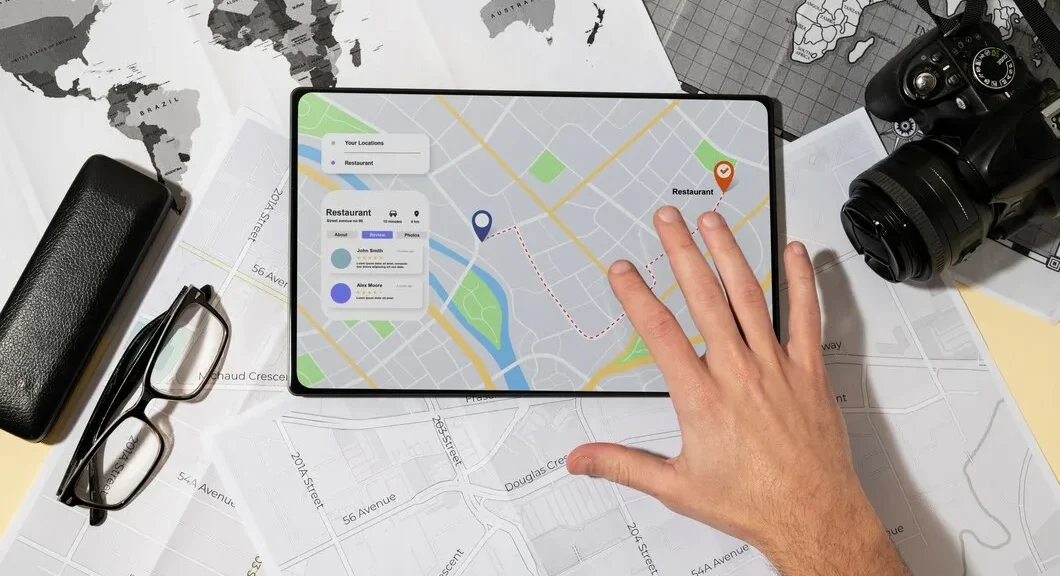

Connecting Your Business to Local Customers Online
In today’s digital-first world, customers are increasingly searching for products and services right in their neighborhood. For small and medium-sized businesses, this presents an incredible opportunity to connect with a highly targeted audience. However, simply having a website is no longer enough. You need to ensure that when someone in your vicinity searches for what you offer, your business appears prominently in their search results. This is where the power of Local SEO truly shines. It’s not just about being found; it’s about being found by the *right* people, at the *right* time, when they’re ready to engage. We help startups and small businesses thrive online with expert web development, SEO, PPC, and digital marketing services. From responsive websites to results-driven campaigns, our team is committed to building your brand’s digital future.
Think about it: a potential customer needs a plumber, a bakery, or a consulting firm. Their immediate action is to type into Google: “plumber near me,” “best bakery downtown,” or “business consultant [city name].” If your business doesn’t appear in those top local search results, you’re essentially invisible to a significant portion of your potential customer base. Implementing robust Local SEO practices is no longer a luxury; it’s a fundamental requirement for sustainable growth in the modern marketplace. It’s about building a strong digital foundation that mirrors the strong community ties your business already fosters.
Understanding the Mechanics of Local Search
Local SEO is a specialized branch of Search Engine Optimization (SEO) focused on improving your business’s visibility in local search results. When users perform location-based searches, search engines like Google aim to provide the most relevant results, often featuring a “Local Pack” or map results. These appear at the top of the search engine results page (SERP) and are highly coveted by businesses serving a specific geographic area. The goal of Local SEO is to influence these results in your favor.
Several key factors influence these local rankings:
- Proximity: How close is your business to the searcher’s location? While you can’t change your physical address, optimizing for local searches ensures that when proximity is a factor, you’re considered.
- Relevance: How well does your business match the searcher’s intent? This involves using relevant keywords, having comprehensive business information, and providing services that align with what people are looking for.
- Prominence: How well-known and authoritative is your business online? This is influenced by factors like online reviews, backlinks from local sources, and overall brand mentions.
Google Business Profile: Your Digital Storefront
At the heart of any successful Local SEO strategy is the Google Business Profile (GBP), formerly known as Google My Business. This free tool is your business’s primary interface with Google’s local search features. Optimizing your GBP is paramount.
- Complete and Accurate Information: Ensure your business name, address, phone number (NAP), website, hours of operation, and categories are precisely filled out and consistent across all platforms.
- High-Quality Photos and Videos: Showcase your business, products, and team. Regularly updated visuals make your profile more engaging.
- Utilize Posts: Share updates, offers, events, and new products through Google Posts. This keeps your profile fresh and informs potential customers.
- Encourage and Respond to Reviews: Positive reviews significantly impact rankings and customer trust. Actively solicit reviews and respond professionally to all feedback, both positive and negative.
- Enable Messaging: Allow customers to message you directly from your profile for quick inquiries.
- Add Services/Products: Clearly list the services or products you offer, using relevant keywords.
On-Page SEO for Local Businesses
While GBP is crucial, your website itself needs to be optimized for local search. This involves incorporating location-specific elements directly into your website’s content and structure.
- Location-Specific Keywords: Integrate keywords that include your city, region, or neighborhood into your website copy, meta descriptions, and page titles. For example, instead of just “digital marketing services,” use “digital marketing services in Seattle” or “SEO expert for Portland businesses.”
- Location Pages: If your business has multiple branches or serves distinct geographic areas, create dedicated landing pages for each location. These pages should include unique content, local testimonials, embedded maps, and NAP information specific to that branch.
- NAP Consistency: Ensure your Name, Address, and Phone number are prominently displayed on your website, ideally in the footer, and that this information is identical to your Google Business Profile and other online directories.
- Local Content Creation: Blog posts, articles, or guides that address local issues, events, or industries can attract local traffic and build authority.
- Schema Markup: Implement local business schema markup on your website. This structured data helps search engines understand your business information more effectively, increasing the chances of appearing in rich snippets or local search features.
Building Local Authority and Trust
Beyond your GBP and on-page optimization, demonstrating your local authority and building trust is essential for ranking higher in local searches.
- Online Reviews: As mentioned, reviews on Google are critical, but also focus on other relevant platforms like Yelp, Facebook, industry-specific directories, and local review sites.
- Local Citations: Ensure your business is listed consistently in online directories (e.g., Yellow Pages, local chambers of commerce, industry-specific directories). Inconsistent NAP information across these citations can harm your rankings.
- Local Link Building: Earn backlinks from other reputable local businesses, community organizations, local news sites, or blogs. Sponsoring local events or participating in community initiatives can often lead to these valuable links.
- Social Media Engagement: While not a direct ranking factor, an active local social media presence can drive traffic, engagement, and brand mentions, indirectly supporting your Local SEO efforts. Share local content and interact with your community online.
Real-World Wins: Examples of Local SEO in Action
Let’s look at how different types of small businesses can leverage these strategies:
- A Local Restaurant: Focuses on optimizing its Google Business Profile with enticing photos of dishes, daily specials via Google Posts, and actively encourages diner reviews. They also create blog content like “Best Patios in [City Name]” featuring their own. Their website includes their menu, online ordering, and clear NAP details.
- A Plumbing Service: Creates location-specific service pages for different neighborhoods (e.g., “Emergency Plumber in [Suburb A],” “Pipe Repair in [Suburb B]”). They ensure consistent NAP across industry directories and actively solicit reviews after service calls, highlighting their reliability and local expertise.
- A Boutique Retail Store: Uses Google Posts to announce new arrivals and in-store events. They focus on local link building by partnering with nearby businesses for cross-promotions and ensure their GBP showcases their unique product offerings with high-quality images. Their website features a clear map and store hours.
Measuring Your Local SEO Success
To understand what’s working, you need to track your progress. Key metrics to monitor include:
- Local Pack Rankings: Track your position for key local search terms.
- Website Traffic from Local Searches: Use Google Analytics to see how much traffic comes from location-based queries.
- Google Business Profile Insights: Monitor views, clicks to website, calls, and direction requests from your GBP dashboard.
- Conversions: Track leads, calls, form submissions, or purchases that originate from local search efforts.
- Review Growth and Sentiment: Monitor the number of new reviews and the overall rating.
At Code Digital Solutions, we understand that for small and medium-sized businesses, every customer interaction counts. By implementing a strategic approach to Local SEO, you can significantly enhance your online visibility, attract more qualified leads from your local community, and ultimately drive business growth. Our expert team is dedicated to helping you navigate the complexities of digital marketing, ensuring your business not only survives but thrives in the competitive online landscape.
Frequently Asked Questions
What’s the difference between Local SEO and general SEO?
General SEO aims to rank a website for broader search terms across a wider geographic area, often nationally or internationally. Local SEO, on the other hand, is specifically designed to improve a business’s visibility in local search results for users within a defined geographic radius. This typically involves optimizing for searches like “[service] near me” or “[product] in [city],” and heavily relies on factors like Google Business Profile, local citations, and location-specific content.
How long does it take to see results from Local SEO?
The timeline for seeing results can vary depending on several factors, including your industry, competition, and the current state of your online presence. However, with consistent effort and a well-executed strategy, small businesses can typically begin to see noticeable improvements in local rankings and traffic within 1-3 months. Significant growth and established local authority might take 6-12 months or longer.
Is it worth investing in Local SEO if I only serve customers within a small town?
Absolutely. Even in a small town, customers are using search engines to find local businesses. If you’re not visible online, they’ll likely find your competitors who are. Local SEO ensures that when residents of your town search for your services, your business is among the first they see, driving local foot traffic and customer engagement.
Can I do Local SEO myself, or do I need an expert?
While many aspects of Local SEO can be managed by business owners themselves (like optimizing a Google Business Profile and encouraging reviews), a comprehensive strategy often requires expert knowledge. An experienced digital marketing agency can help with more advanced tactics like technical SEO, local link building, citation management, and developing a tailored content strategy. For businesses looking to maximize their local online presence effectively and efficiently, partnering with experts like Code Digital Solutions is highly recommended.
How important are online reviews for Local SEO?
Online reviews are critically important for Local SEO. They act as a powerful social proof, influencing both potential customers and search engine algorithms. Search engines like Google view businesses with a higher number of positive, recent reviews as more reputable and trustworthy. Reviews directly impact your visibility in the Local Pack, help improve your star rating, and provide valuable insights into customer satisfaction. Actively managing and responding to reviews is a key component of a successful local strategy.