
Why Your Business Needs to Shine Locally Online
In today’s hyper-connected world, even the smallest local business has a global digital footprint. However, for businesses that rely on serving a specific geographic area – think neighborhood cafes, independent boutiques, or local service providers – visibility within that immediate vicinity is paramount. This is where the strategic power of Local SEO comes into play. It’s not just about being found; it’s about being found by the *right* people, at the *right* time, when they are actively searching for what you offer in your area. At Code Digital Solutions, we help startups and small businesses thrive online with expert web development, SEO, PPC, and digital marketing services. From responsive websites to results-driven campaigns, our team is committed to building your brand’s digital future. Understanding and implementing effective Local SEO strategies can transform how potential customers discover and engage with your business, directly impacting your bottom line.
For many small and medium-sized businesses (SMBs), the internet can feel like a vast, overwhelming ocean. You might have a fantastic product or service, a welcoming physical location, and a dedicated team, but if local customers can’t find you when they search online, your potential is significantly limited. Consider the common scenario: someone needs a plumber, a pizza, or a haircut *right now* and pulls out their phone. Their search query will likely include location-specific terms. If your business doesn’t appear prominently in those results, you’ve effectively missed an opportunity. This is precisely why a targeted Local SEO strategy is not just beneficial, but essential for sustained growth in a competitive local market.
Understanding the Local Search Landscape
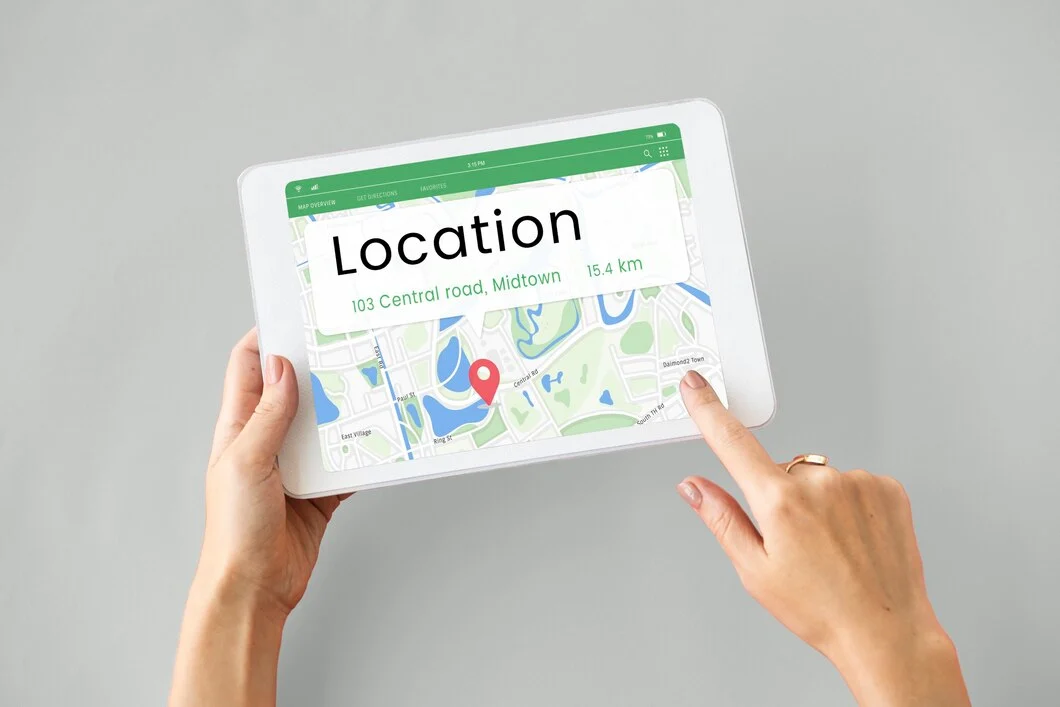
Local SEO is a specialized branch of search engine optimization focused on improving a business’s visibility in local search results on platforms like Google, Bing, and even social media. Unlike traditional SEO, which might aim for broad, national reach, Local SEO targets users within a specific geographic radius. When someone searches for a product or service with a local intent (e.g., “best coffee shop near me,” “plumber in [city name]”, “emergency dentist downtown”), search engines strive to provide the most relevant and geographically convenient results. This often includes a “Local Pack” or “Map Pack” in Google search results, displaying a map with three local businesses, along with their names, addresses, phone numbers, ratings, and opening hours. For many users, these top results are the only ones they will consider.
The Pillars of Local SEO Success
Achieving strong local search rankings isn’t a single action but a combination of consistent efforts across several key areas. Think of it as building a sturdy house – you need a solid foundation, strong walls, and a well-maintained roof.
1. Google Business Profile (GBP) Optimization
Your Google Business Profile (formerly Google My Business) is arguably the most critical component of Local SEO. It’s your digital storefront on Google Search and Maps. Ensuring your profile is complete, accurate, and actively managed is non-negotiable. This involves:
- Accurate NAP Information: Name, Address, Phone number must be consistent across your GBP and all other online directories. Inaccuracies can confuse search engines and harm your rankings.
- Compelling Business Description: Use relevant keywords naturally to describe your business, its services, and what makes it unique.
- High-Quality Photos and Videos: Showcase your products, services, team, and business interior/exterior. Visuals significantly increase engagement.
- Categories: Choose the most specific and relevant primary and secondary categories for your business.
- Business Hours: Keep your hours updated, especially during holidays, to avoid frustrating potential customers.
- Services/Products: List all services and products with descriptions and pricing where applicable.
- Q&A Section: Proactively answer common questions or monitor and respond to customer queries.
- Posts: Regularly share updates, offers, events, or new products through Google Posts. This keeps your profile fresh and engaging.
2. Local Keyword Research and Website Integration
Just as with general SEO, understanding what terms your local customers are searching for is vital. However, local keyword research has a geographic dimension. Tools like Google Keyword Planner, SEMrush, or Ahrefs can help, but don’t neglect common sense. Think about how someone in your area would search for your offerings.
- Identify Local Intent Keywords: Combine service-related keywords with location modifiers (e.g., “emergency plumber [city]”, “best Italian restaurant [neighborhood]”, “hair salon near [landmark]”).
- Use “Near Me” Searches: While you can’t directly optimize for “near me,” understanding that these searches are prevalent means ensuring your GBP and website are optimized for proximity.
- Integrate Keywords Naturally: Weave these local keywords into your website’s content, especially on your homepage, service pages, and contact page. Mention your city, region, or neighborhood where relevant and natural.
- Location-Specific Landing Pages: If you serve multiple distinct areas, consider creating dedicated landing pages for each, optimizing them with local content and keywords relevant to that specific location.
3. On-Page SEO for Local Signals
Your website itself needs to send clear signals to search engines about your local presence and relevance. Beyond keyword integration, several on-page elements are crucial:
- NAP Consistency: Ensure your Name, Address, and Phone number are prominently displayed on your website, ideally in the footer and on a dedicated contact page. This should match your GBP exactly.
- Location Pages: As mentioned, dedicated pages for each service area can be highly effective. These pages should include locally relevant content, testimonials, and photos.
- Embedded Google Map: Placing an interactive Google Map of your business location on your contact page helps Google verify your address and makes it easy for visitors to find you.
- Local Content Creation: Publish blog posts or articles related to local events, community news, or topics relevant to your local clientele. For example, a bakery could write about the history of local holidays and how their treats fit in.
- Schema Markup: Implementing LocalBusiness schema markup on your website provides search engines with structured data about your business, including address, phone number, opening hours, and services. This can enhance your appearance in search results.
4. Online Reviews and Reputation Management
Online reviews are a powerful social proof and a significant ranking factor in Local SEO. Positive reviews build trust, influence purchasing decisions, and signal to search engines that your business is reputable and customer-centric.
- Encourage Reviews: Ask satisfied customers to leave reviews on Google, Yelp, or other relevant platforms. Make it easy for them by providing direct links.
- Respond to All Reviews: Acknowledge positive feedback and thank customers. Crucially, address negative reviews professionally and constructively. Show that you care about customer feedback and are willing to resolve issues.
- Monitor Review Sites: Keep an eye on major review platforms relevant to your industry and location.
5. Local Citations and Directory Listings
Citations are online mentions of your business’s NAP information. Consistent and accurate citations across various online directories and platforms help search engines confirm your business’s existence, location, and legitimacy.
- Major Directories: Ensure your business is listed on key directories like Yelp, Yellow Pages, Bing Places, Apple Maps, and industry-specific directories.
- Consistency is Key: Every citation should have the exact same Name, Address, and Phone number as your Google Business Profile. Inconsistencies can hurt your rankings.
- Build Local Citations: Look for opportunities to get listed on local chamber of commerce websites, community forums, or local business associations.
6. Local Link Building
Backlinks from other reputable websites are always important for SEO, but for Local SEO, the focus shifts to acquiring links from relevant local sources.
- Sponsorships: Sponsor local events, charities, or sports teams, and ask for a link back to your website.
- Local Partnerships: Collaborate with complementary local businesses for cross-promotion and link exchanges (ensure these are natural and add value).
- Local News Outlets: If your business does something newsworthy or contributes to the community, try to get featured in local publications, which often provide a backlink.
- Chamber of Commerce: Membership in local business organizations often comes with a directory listing and a link.
Putting It All Together: A Holistic Approach
Local SEO is not a set-it-and-forget-it task. It requires ongoing effort and adaptation. As search engines evolve and consumer behavior changes, your strategy must evolve too. The most successful local businesses integrate these tactics into their broader digital marketing efforts. A well-optimized website, a strong GBP, positive reviews, and consistent citations all work synergistically to signal to search engines that your business is the best local option for potential customers. This comprehensive approach is what helps startups and small businesses thrive online, as our team at Code Digital Solutions has seen countless times. We focus on delivering measurable results through expert web development, SEO, PPC, and digital marketing services, always with the goal of building your brand’s digital future.
Imagine a potential customer searching for “emergency locksmith near me.” If your business has a fully optimized Google Business Profile, accurate listings across the web, positive customer reviews, and your website clearly states your service area and contact information, you are significantly more likely to appear at the top of those crucial local search results. This direct line to a ready-to-buy customer is the tangible benefit of investing in Local SEO. It’s about making your business discoverable when and where it matters most.
Frequently Asked Questions
1. How long does it take to see results from Local SEO?
Local SEO results can vary depending on your industry, competition, and current online presence. However, you can typically start seeing initial improvements within 4-6 weeks of consistent effort. Major ranking changes and significant traffic increases might take 3-6 months or longer. It’s a marathon, not a sprint, and sustained effort is key.
2. How much does Local SEO cost?
The cost of Local SEO can range from virtually free (if you do it yourself with basic tools) to thousands of dollars per month for comprehensive agency services. For small businesses, focusing on optimizing your Google Business Profile, encouraging reviews, and ensuring NAP consistency are low-cost, high-impact activities. Professional services typically charge based on the scope of work, which can include audits, ongoing management, content creation, and link building. At Code Digital Solutions, we offer tailored strategies to fit the budget and goals of small businesses.
3. Can I do Local SEO myself?
Yes, many foundational Local SEO tasks can be managed by business owners themselves. Optimizing your Google Business Profile, responding to reviews, ensuring NAP consistency, and encouraging customer feedback are all manageable DIY activities. However, advanced strategies like local link building, in-depth keyword research, and schema markup may require more technical expertise. If you find yourself overwhelmed or short on time, partnering with an SEO expert can be highly beneficial.
4. How important are online reviews for Local SEO?
Online reviews are extremely important for Local SEO. They are a significant ranking factor for Google’s Local Pack and a major influencer on customer decisions. Businesses with more positive, recent reviews tend to rank higher and attract more customers. Actively managing your online reputation by encouraging reviews and responding to them is crucial.
5. What is NAP and why is consistency so important?
NAP stands for Name, Address, and Phone number. Consistency refers to ensuring that this information is identical across your Google Business Profile, website, social media profiles, and all online directories (citations). Search engines use these details to verify your business’s identity and location. Inconsistent NAP information can confuse search engines, dilute your online authority, and negatively impact your local search rankings.
6. How can I get my business to show up in the Google Map Pack?
To appear in the Google Map Pack (the results with a map and 3 local businesses), you need a strong Local SEO strategy. This primarily involves optimizing your Google Business Profile with complete and accurate information, ensuring NAP consistency across the web, building local citations, acquiring positive online reviews, and having relevant local keywords on your website. Google also considers proximity and the overall relevance and authority of your business listing and website.