
Why Local Search Matters More Than Ever for Your Business
In today’s digitally driven world, consumers are increasingly turning to their devices to find the products and services they need, often right in their own neighborhoods. For small and medium-sized businesses (SMBs), this shift presents both a challenge and a massive opportunity. Simply having a website is no longer enough; you need to ensure that potential customers in your geographic area can find you when they’re actively searching. This is where the power of Local SEO comes into play. At Code Digital Solutions, we understand the unique hurdles SMBs face, and our mission is to help startups and small businesses thrive online with expert web development, SEO, PPC, and digital marketing services. From responsive websites to results-driven campaigns, our team is committed to building your brand’s digital future, and making sure you connect with the local clients who matter most.
Think about your own search habits. When you need a “pizza near me,” a “plumber in [your city],” or “the best coffee shop downtown,” where do you look? Chances are, you’re pulling out your smartphone or opening a new tab and typing those very terms into a search engine. Search engines like Google are designed to deliver the most relevant results based on a user’s location and search query. For local businesses, this means optimizing your online presence to appear prominently in these location-specific searches is paramount. Ignoring Local SEO is akin to keeping your doors shut to a significant portion of your potential customer base.
Understanding the Mechanics of Local Search
Local SEO is a specialized branch of search engine optimization focused on increasing the visibility of businesses that serve their customers within a specific geographic area. Unlike traditional SEO, which might aim for broad, national, or even international reach, Local SEO hones in on attracting local clients. This involves a combination of on-page optimization, off-page signals, and managing your business’s online reputation.
The Local Pack and Map Results
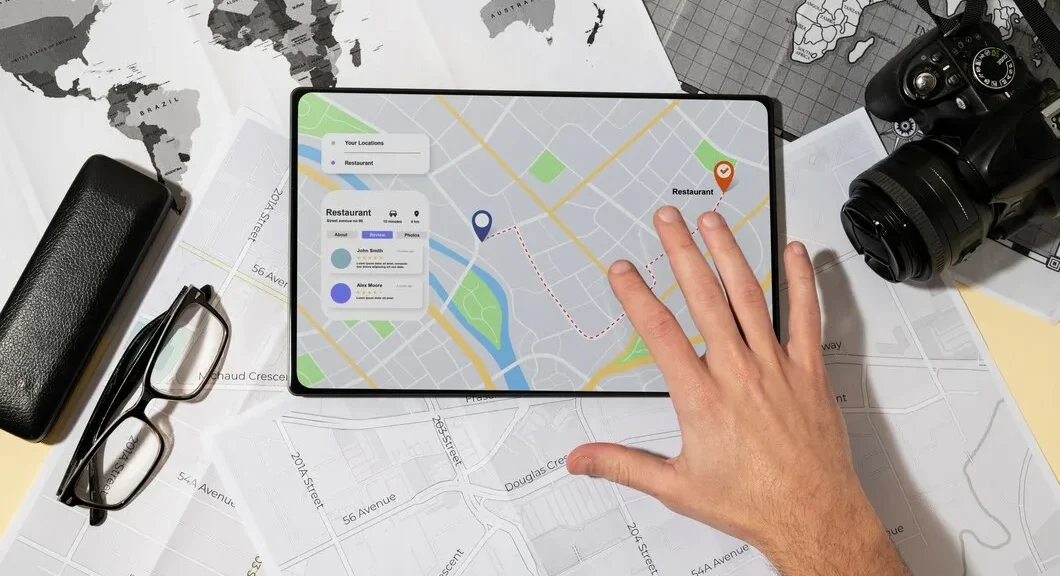
When a user performs a local search, Google often displays a “Local Pack” – a prominent box featuring a map and 3 local business listings. These listings typically include the business name, address, phone number (NAP), website, customer reviews, and operating hours. Below the Local Pack, you’ll often find organic search results that are also geographically relevant. Being featured in the Local Pack or ranking highly in these map results can drive significant foot traffic and phone calls.
Key Ranking Factors for Local Search
While Google’s algorithm is complex and constantly evolving, several core factors influence local search rankings. Understanding these will help you prioritize your efforts:
- Proximity: How close is the business to the searcher’s location? While you can’t change your business’s physical location, optimizing for searches originating from relevant areas is key.
- Relevance: How well does your business match the searcher’s intent? This means using relevant keywords on your website, in your Google Business Profile, and in online directories.
- Prominence: How well-known and authoritative is your business online? This is influenced by factors like online reviews, backlinks from reputable local websites, and consistent NAP information across the web.
Building Your Local SEO Foundation: Google Business Profile
The cornerstone of any successful Local SEO strategy is your Google Business Profile (GBP), formerly known as Google My Business. This free tool allows you to manage how your business appears on Google Search and Maps. Getting this right is non-negotiable.
Claiming and Optimizing Your Profile
The first step is to claim your business listing. If your business already has a listing, you can request ownership. Once claimed, meticulous optimization is crucial:
- Accurate and Complete Information: Ensure your business name, address, and phone number (NAP) are precise and consistent everywhere online. This includes your official business name, your full street address, and your primary phone number.
- Choose the Right Categories: Select the most specific primary category for your business, and add secondary categories that accurately reflect your services.
- Write a Compelling Business Description: Use this space to highlight what makes your business unique, include relevant keywords naturally, and tell your story. Think about the services you offer and the benefits to your customers.
- Upload High-Quality Photos and Videos: Showcase your products, services, team, and business location. Visuals are incredibly engaging for potential customers.
- Leverage Google Posts: Regularly share updates, offers, events, and new products/services. This keeps your profile active and provides fresh content for searchers.
- Enable Messaging and Q&A: Make it easy for customers to connect with you directly through your profile. Monitor and respond to questions promptly.
Encouraging and Managing Reviews
Online reviews are a powerful ranking factor and a critical trust signal for potential customers. Positive reviews can significantly influence purchasing decisions.
- Ask for Reviews: Don’t be afraid to politely ask satisfied customers to leave a review on your Google Business Profile. Make it easy by providing a direct link.
- Respond to All Reviews: Thank customers for positive feedback and address negative reviews constructively and professionally. This shows you value customer input and are committed to improvement.
- Monitor Your Reputation: Keep an eye on what customers are saying across various review platforms, not just Google.
On-Page Local SEO Strategies for Your Website
While your Google Business Profile is vital, your website also plays a significant role in your Local SEO efforts. Optimizing your website ensures that search engines understand what you do and where you operate.
Keyword Research for Local Searches
Identify the terms your local customers are using. This goes beyond broad terms and includes location-specific modifiers:
- Location + Service: “electrician Denver,” “HVAC repair Austin.”
- Service + Near Me: “dentist near me,” “bakery near me.”
- Geographic Area + Service: “landscaping in North Scottsdale,” “financial advisor in the Financial District.”
Use tools like Google Keyword Planner, Semrush, or Ahrefs to uncover these valuable keywords.
Optimizing Website Content
Integrate your target local keywords naturally into your website’s content:
- Homepage: Clearly state what you do and where you serve.
- Service Pages: Create dedicated pages for each of your core services, using location-specific keywords.
- About Us Page: Share your business’s story and its connection to the local community.
- Contact Us Page: This is a prime location for your NAP information and an embedded Google Map.
NAP Consistency on Your Website
Ensure your business name, address, and phone number are prominently displayed on your website, ideally in the footer of every page and on your Contact Us page. This NAP information must exactly match what’s listed in your Google Business Profile and other online directories.
Local Schema Markup
Schema markup is a form of microdata that you can add to your website’s HTML to help search engines better understand your content. For Local SEO, using `LocalBusiness` schema is highly recommended. This structured data helps search engines accurately pull information like your address, phone number, operating hours, and even reviews directly from your website.
Off-Page Signals: Building Authority and Trust
Off-page SEO refers to activities performed outside of your website to impact your rankings within search engine results pages. For Local SEO, this primarily involves building a strong local citation profile and earning local backlinks.
Local Citations: Your Digital Footprint
Local citations are online mentions of your business’s NAP information on other websites. These can be in the form of directory listings, social media profiles, or even mentions in local news articles.
- Major Directories: Ensure your business is listed accurately on prominent directories like Yelp, Yellow Pages, Bing Places, and industry-specific directories.
- Consistency is Key: Just like on your website, NAP consistency across all citations is vital. Inaccurate or conflicting information can confuse search engines and harm your rankings.
- Audit Existing Citations: Regularly check for outdated or duplicate listings and correct them.
Local Link Building
Earning backlinks from other reputable websites signals authority and trust to search engines. For Local SEO, focus on acquiring links from relevant local sources:
- Local Chambers of Commerce: Join your local chamber and get a listing on their website.
- Local Sponsorships: Sponsor local events or non-profits and often receive a link back.
- Partnerships: Collaborate with complementary local businesses for cross-promotion and potential link exchanges.
- Local News and Blogs: Engage with local media outlets or bloggers who might feature your business.
Leveraging Local SEO for Business Growth
The ultimate goal of Local SEO is to drive tangible business results. By appearing at the top of local search results, you gain:
- Increased Visibility: More potential customers will see your business when they’re actively looking for your products or services.
- Higher Quality Leads: Local searchers have immediate intent, meaning they are more likely to convert into paying customers.
- Improved Brand Trust: A strong online presence with positive reviews builds credibility and trust.
- Competitive Advantage: Outrank your local competitors and capture more market share.
At Code Digital Solutions, we specialize in crafting bespoke digital strategies that align with your business objectives. Whether you’re a new startup needing a robust online foundation or an established small business looking to expand your local reach, our team provides expert web development, SEO, and digital marketing services. We are committed to building your brand’s digital future by connecting you with the local customers who matter most.
Frequently Asked Questions
1. How long does it take to see results from Local SEO?
The timeline for seeing Local SEO results can vary depending on several factors, including the competitiveness of your industry and location, the current state of your online presence, and the consistency of your optimization efforts. Typically, you might start seeing improvements within 1-3 months, but significant ranking changes and measurable lead increases often take 3-6 months or even longer. Consistent effort is key to sustained growth.
2. What if my business doesn’t have a physical storefront (e.g., a service-area business)?
Service-area businesses (SABs) can still benefit significantly from Local SEO. Instead of focusing on a physical address for proximity, Google emphasizes your service area. You’ll define the specific cities, towns, or regions you serve in your Google Business Profile. Your website should also clearly outline these service areas, and your content should reflect the communities you operate in. Citations and backlinks should also ideally come from within your service region.
3. Is Local SEO expensive for small businesses?
Local SEO can be scalable to fit various budgets. While professional services from agencies like Code Digital Solutions represent an investment, many fundamental Local SEO tasks can be implemented by business owners themselves, especially optimizing their Google Business Profile and basic website content. The cost-effectiveness comes from targeting high-intent local customers, which often yields a higher ROI compared to broader marketing efforts. We offer services tailored to help startups and small businesses thrive online.
4. How important are online reviews for Local SEO?
Online reviews are critically important for Local SEO. They are a significant ranking factor for Google’s Local Pack and organic local results. More importantly, reviews heavily influence consumer trust and purchasing decisions. A business with more positive, recent reviews is more likely to attract clicks and calls from potential customers. Actively encouraging and responding to reviews is a crucial part of any Local SEO strategy.
5. Should I create separate Google Business Profile listings for different services?
Generally, it’s best to have one Google Business Profile per physical location or per distinct business entity. If your business offers very different services under distinct branding at different locations, then separate profiles might be warranted. However, for most businesses, it’s more effective to use categories and service descriptions within a single GBP to highlight the range of offerings. Trying to create multiple listings for the same business at the same address can lead to penalties from Google.