
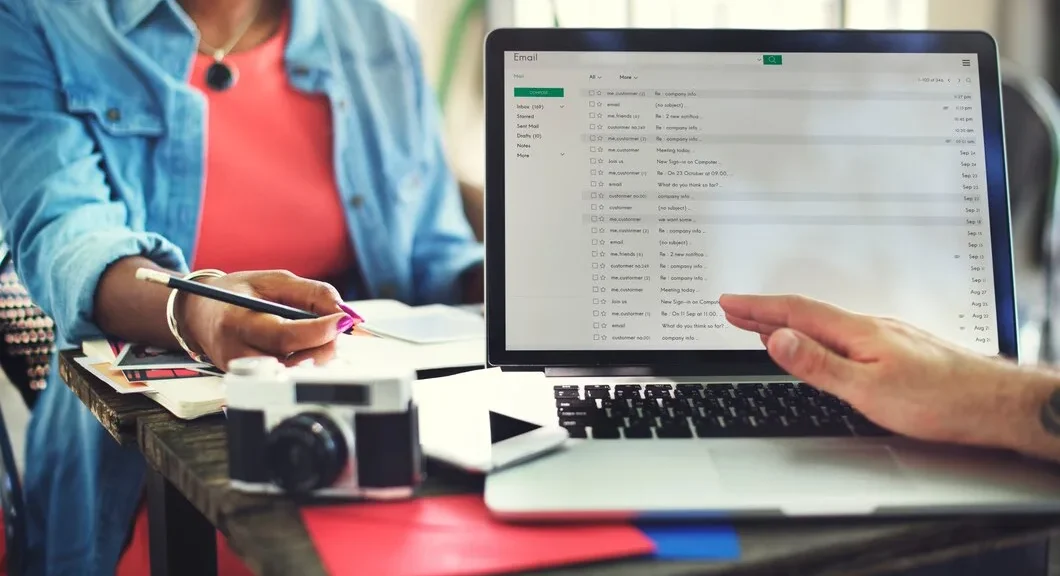

Why Email Marketing Still Reigns Supreme for Small & Medium Businesses
In the bustling digital landscape, where new platforms and tactics emerge with dizzying speed, it’s easy to overlook the enduring power of a well-established channel. For small and medium-sized businesses (SMBs) looking to connect with their audience, nurture leads, and drive sales, Email Marketing remains one of the most effective, cost-efficient, and measurable strategies available. It’s not just about sending out a newsletter; it’s about building relationships, providing value, and guiding potential customers through their journey.
Many SMBs find themselves juggling limited resources and a vast array of marketing options. The allure of the latest social media trend can be strong, but often, focusing on a robust email marketing strategy yields more tangible and sustainable results. At Code Digital Solutions, we’ve seen firsthand how startups and small businesses thrive online when they harness the power of personalized communication. Our commitment is to help your brand build its digital future, and email marketing is a cornerstone of that journey. It offers a direct line to your audience, independent of algorithm changes or platform volatility, allowing for consistent engagement and brand building.
Understanding the Core Benefits for SMBs
Before diving into strategies, let’s clarify why email marketing should be a top priority for your business:
- Direct Audience Access: Unlike social media, your email list is an asset you own. You can communicate directly with subscribers without relying on third-party platforms.
- High ROI Potential: Email marketing consistently delivers one of the highest returns on investment among digital marketing channels. The cost per message is incredibly low, especially when compared to paid advertising.
- Personalization & Segmentation: You can tailor messages to specific customer segments based on their behavior, interests, or demographics, making your communication far more relevant and effective.
- Nurturing Customer Relationships: Regular, valuable content keeps your brand top-of-mind, fosters loyalty, and encourages repeat business.
- Driving Sales & Conversions: From product launches to special offers, email is a powerful tool for direct sales and lead conversion.
- Measurable Results: Open rates, click-through rates, conversion rates – email marketing provides clear, actionable data to track performance and optimize campaigns.
Building Your Email List: The Foundation of Success
An email list is only valuable if it’s comprised of engaged subscribers who actually want to hear from you. Here’s how SMBs can ethically and effectively grow their list:
Ethical Acquisition Strategies
- Website Opt-In Forms: Make it easy for visitors to subscribe. Place prominent signup forms on your homepage, blog posts, and key landing pages. Consider pop-ups (used judiciously) or embedded forms.
- Lead Magnets: Offer something valuable in exchange for an email address. This could be a free guide, a checklist, a discount code, a webinar, or exclusive content. The key is to offer something genuinely useful to your target audience.
- Social Media Integration: Promote your email list on your social media profiles and in posts. Run contests or giveaways that require email signups.
- Offline Collection: If you have a physical store or attend events, provide opportunities for people to sign up, such as through guestbooks or signup sheets. Ensure clear consent is obtained.
- Partnerships: Collaborate with complementary businesses for cross-promotions where you can exchange access to each other’s audiences (with consent).
Key Considerations for List Building
- Transparency: Be clear about what subscribers will receive and how often.
- Consent is Crucial: Never add people to your list without their explicit permission. Comply with regulations like GDPR and CAN-SPAM.
- Quality over Quantity: A smaller list of engaged subscribers is far more valuable than a large list of uninterested contacts.
Crafting Compelling Email Content That Converts
Once you have a growing list, the next step is creating emails that resonate and drive action. It’s not just about broadcasting; it’s about communicating value.
Understanding Your Audience Segments
Effective email marketing isn’t a one-size-fits-all approach. Segmenting your list allows you to send more relevant content. Common segmentation strategies include:
- Demographics: Age, location, gender, job title.
- Purchase History: Past purchases, frequency of purchase, average order value.
- Engagement Level: How often they open emails, click links, or interact with your content.
- Interests: Based on past behavior, survey responses, or stated preferences.
- Stage in the Customer Journey: New subscribers, active customers, lapsed customers.
Example: A small online clothing boutique might segment their list by gender and then further by the type of clothing they’ve previously browsed or purchased (e.g., activewear, formal wear). This allows for highly targeted promotions.
Key Elements of a Successful Email
- Compelling Subject Lines: This is your first impression. It needs to be clear, concise, and enticing enough to encourage opens. Use personalization, create curiosity, or highlight a benefit. Avoid spam triggers.
- Personalized Greeting: Address subscribers by name. It’s a simple but effective way to make the email feel more personal.
- Valuable Content: Every email should offer something of value. This could be educational content, exclusive offers, behind-the-scenes insights, company updates, or customer success stories.
- Clear Call to Action (CTA): What do you want the reader to do? Make it obvious with a strong, action-oriented CTA button or link (e.g., “Shop Now”, “Learn More”, “Download Your Guide”).
- Mobile Responsiveness: A significant portion of emails are opened on mobile devices. Ensure your emails look great and function perfectly on all screen sizes.
- Brand Consistency: Maintain your brand’s voice, tone, and visual identity throughout your emails.
- Unsubscribe Link: Always include an easy-to-find unsubscribe option.
Automating for Efficiency and Impact
Email automation takes the heavy lifting out of sending timely and relevant messages. It allows you to nurture leads and engage customers on autopilot, freeing up your time to focus on other aspects of your business.
Common Automation Workflows for SMBs
- Welcome Series: Automatically send a sequence of emails to new subscribers introducing your brand, setting expectations, and guiding them towards their first purchase or interaction.
- Abandoned Cart Recovery: For e-commerce businesses, send reminders to customers who have left items in their cart. These emails can offer a discount or highlight the benefits of completing the purchase.
- Post-Purchase Follow-Up: Thank customers for their purchase, provide shipping updates, ask for reviews, or recommend related products.
- Re-engagement Campaigns: Target inactive subscribers with special offers or content to try and win them back.
- Birthday/Anniversary Emails: Send automated well wishes along with a special discount or offer to celebrate customer milestones.
Example: A SaaS company can set up an automated welcome series for new trial users, guiding them through key features, offering tips, and encouraging them to upgrade before their trial ends. This proactive approach significantly boosts conversion rates.
Measuring Success and Optimizing Your Campaigns
Data is your best friend when it comes to email marketing. Regularly tracking key metrics helps you understand what’s working and where to improve.
Key Performance Indicators (KPIs) to Monitor
- Open Rate: The percentage of recipients who opened your email. Indicates the effectiveness of your subject line and sender name.
- Click-Through Rate (CTR): The percentage of recipients who clicked on one or more links within your email. Measures engagement with your content and CTAs.
- Conversion Rate: The percentage of recipients who completed a desired action (e.g., made a purchase, filled out a form) after clicking through from your email. This is a direct measure of ROI.
- Bounce Rate: The percentage of emails that could not be delivered. High bounce rates can indicate poor list hygiene or incorrect email addresses.
- Unsubscribe Rate: The percentage of recipients who opted out of your emails. A sudden spike might signal issues with content relevance or sending frequency.
- List Growth Rate: How quickly your email list is expanding.
A/B Testing for Continuous Improvement
A/B testing (or split testing) involves sending two variations of an email to different segments of your audience to see which performs better. This is invaluable for optimizing:
- Subject Lines: Test different lengths, tones, and calls to curiosity.
- CTAs: Experiment with button text, color, and placement.
- Email Copy: Try different messaging and value propositions.
- Send Times: Determine when your audience is most likely to engage.
- Design Elements: Test different layouts and imagery.
By consistently analyzing your results and A/B testing, you can refine your email strategy to achieve better engagement and higher conversion rates. This iterative process is crucial for long-term success and is a core part of how Code Digital Solutions helps businesses optimize their digital marketing efforts.
Choosing the Right Email Marketing Platform
Selecting the right Email Service Provider (ESP) is vital. For SMBs, look for platforms that offer a good balance of features, affordability, and ease of use. Popular options include Mailchimp, Constant Contact, ActiveCampaign, HubSpot, and Sendinblue (now Brevo). Consider factors like:
- Pricing: Many offer free tiers for smaller lists.
- Ease of Use: Drag-and-drop editors and intuitive interfaces are helpful.
- Automation Capabilities: Essential for streamlining workflows.
- Segmentation Options: To tailor your messaging.
- Integrations: With your CRM, e-commerce platform, or website.
- Reporting & Analytics: To track performance.
Conclusion: Email Marketing as a Growth Engine
Email marketing is far from dead; it’s a dynamic and powerful tool that, when used strategically, can be a significant growth engine for any small or medium-sized business. By focusing on building a quality list, crafting valuable and personalized content, leveraging automation, and continuously measuring and optimizing your efforts, you can foster deeper customer relationships and achieve your business objectives. Code Digital Solutions is dedicated to helping businesses like yours navigate the complexities of digital marketing. Let us help you build a robust email marketing strategy that fuels your growth and secures your brand’s digital future.
Frequently Asked Questions
How often should a small business send emails?
There’s no single answer, as it depends on your audience and industry. However, consistency is key. For most SMBs, sending emails 1-4 times per month is a good starting point. Focus on providing value in each email rather than sending just for the sake of sending. Monitor your open and unsubscribe rates – a sudden increase in unsubscribes might indicate you’re sending too frequently or your content isn’t resonating.
What’s the difference between email marketing and a newsletter?
A newsletter is typically a type of email that focuses on providing regular updates, news, or curated content to subscribers. Email marketing is a broader term that encompasses all marketing activities conducted via email, including newsletters, promotional campaigns, transactional emails (like order confirmations), automated sequences, and more. Newsletters are a component of a comprehensive email marketing strategy.
How do I avoid my emails going to the spam folder?
Several factors contribute to deliverability. Ensure you have explicit consent to email subscribers, maintain a clean email list by removing inactive or invalid addresses, avoid using spammy keywords in your subject lines or content, use a reputable email service provider, and authenticate your domain. Consistent engagement from your subscribers also signals to email providers that your emails are wanted.
Can I use email marketing for B2B and B2C businesses?
Absolutely. Email marketing is highly effective for both B2B and B2C businesses, though the approach might differ. For B2C, emails often focus on product promotions, lifestyle content, and direct sales. For B2B, emails might focus on industry insights, case studies, webinars, service offerings, and building professional relationships. Personalization and segmentation are critical for both.
What kind of content works best for small business email marketing?
The best content is relevant and valuable to your specific audience. This can include: informative blog post summaries, exclusive discounts and promotions, behind-the-scenes looks at your business, customer spotlights or testimonials, tips and how-to guides related to your products/services, new product announcements, and event invitations. The goal is to educate, engage, and offer solutions or benefits.


